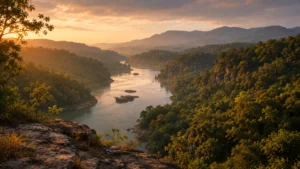
Plan your visit to Umred Karhandla Wildlife Sanctuary with this complete guide covering safari gates, wildlife, best time to visit, travel, accommodation, and expert tips.
Complete Guide to Umred Karhandla Wildlife Sanctuary
Introduction
Located less than two hours from Nagpur, Umred Karhandla Wildlife Sanctuary has grown into one of central India’s most interesting safari destinations. While it does not receive the same level of attention as nearby Tadoba-Andhari Tiger Reserve, it has established itself as an important landscape for tiger conservation and offers rewarding wildlife experiences with comparatively fewer visitors.
The sanctuary protects dry deciduous forests, grasslands, and riverine habitats that support tigers, leopards, dholes, gaur, sloth bears, numerous deer species, and a rich diversity of birds. Its strategic location also makes it an important wildlife corridor connecting larger protected landscapes across eastern Maharashtra.
For travellers, Umred Karhandla offers several advantages:
- Easy access from Nagpur
- Multiple safari gates serving different parts of the sanctuary
- Good opportunities to see large mammals
- Less crowded safari experience than many famous tiger reserves
- Suitable for weekend trips as well as longer wildlife itineraries
Whether you are planning your first jungle safari, looking for a destination near Nagpur, or hoping to photograph central India’s wildlife, understanding how the sanctuary is organised will help you make the most of your visit.
Umred Karhandla Wildlife Sanctuary at a Glance
| Feature | Details |
| State | Maharashtra |
| Declared | 29 June 2012 |
| Area | Approximately 189 sq km |
| Nearest City | Nagpur |
| Main Safari Gates | Karhandla, Gothangaon, Pullar and Pauni |
| Habitat | Dry deciduous forest, grasslands and riverine forest |
| Open Season | Generally October to June (closed during monsoon) |
| Flagship Species | Tiger, Leopard, Dhole and Gaur |
Visitor rules, safari fees, and operating schedules may change. Always verify current information through official Maharashtra Forest Department or authorised safari booking portals before travelling.
Why Visit Umred Karhandla Wildlife Sanctuary?
Many visitors discover Umred Karhandla while searching for alternatives to Tadoba. Although smaller in size, the sanctuary has developed a strong reputation because of its recovering tiger population, healthy populations of gaur and wild dogs, and relatively peaceful safari experience.
Some of the reasons to consider visiting include:
- Convenient weekend destination from Nagpur.
- Opportunity to explore a less crowded protected area.
- Excellent habitat for large herbivores and carnivores.
- Important conservation landscape linking forests across eastern Maharashtra.
- Suitable for wildlife photography, birdwatching, and nature education.
Field Note
Unlike many first-time visitors who focus only on tigers, experienced naturalists often appreciate Umred Karhandla for its complete forest ecosystem. Watching a herd of gaur feeding in an open meadow or hearing alarm calls from deer can be just as rewarding as a brief tiger sighting.
Where is Umred Karhandla Wildlife Sanctuary?
The sanctuary lies in eastern Maharashtra, covering parts of Nagpur and Bhandara districts. It extends across the talukas of Umred, Kuhi, Bhiwapur, and Pauni, with the Wainganga River and the Gose Khurd reservoir influencing parts of the landscape.
Its location places it within one of central India’s most significant wildlife regions, where protected forests collectively support wide-ranging species that require large connected habitats.
Why Its Location Matters
Large carnivores such as tigers do not recognise administrative boundaries. They move between forests in search of territory, mates, and prey. Umred Karhandla plays an important role in maintaining habitat connectivity with nearby landscapes, including Tadoba-Andhari, helping wildlife disperse naturally and strengthening long-term conservation efforts.
For visitors, this ecological importance means the sanctuary is not simply an isolated safari destination but part of a much larger conservation network in central India.
How to Reach Umred Karhandla Wildlife Sanctuary
Reaching Umred Karhandla is straightforward, especially from Nagpur, making it one of Maharashtra’s most accessible wildlife destinations.
By Air
Dr. Babasaheb Ambedkar International Airport at Nagpur is the nearest airport and serves regular flights from major Indian cities. From the airport, visitors can hire taxis or self-drive to the sanctuary.
By Rail
Nagpur Junction is the nearest major railway station and is well connected to Mumbai, Delhi, Kolkata, Hyderabad, Chennai, Bengaluru, and many other cities. Road transport from the station to the sanctuary is readily available.
By Road
The sanctuary is approximately 50–60 km from Nagpur, depending on the gate you plan to use. Most visitors travel by private car or taxi, although local transport may be available to nearby towns before arranging onward travel.
Planning Tip
Before booking accommodation, decide which safari gate you intend to use. Staying close to your chosen gate can significantly reduce early morning travel time and make your safari more comfortable.
Safari Gates, Zones & Booking Guide
Safari Gates and Tourism Zones
Unlike some protected areas that operate through a single tourism entrance, Umred Karhandla Wildlife Sanctuary offers visitors access through four main safari gates. Each gate provides entry into different parts of the sanctuary, with its own landscapes, road network and wildlife opportunities. Choosing the right gate can improve both travel convenience and your overall safari experience.
It is important to remember that wildlife moves freely throughout the sanctuary. No gate can guarantee tiger sightings, and animal movements change with season, weather, prey availability and individual behaviour.
Safari Gates at a Glance
| Safari Gate | Best For | Suitable For |
| Karhandla Gate | Good tourism infrastructure and accessibility | First-time visitors |
| Gothangaon Gate | Exploring quieter sections of the sanctuary | Repeat visitors and photographers |
| Pauni Gate | Access from the Bhandara side | Visitors approaching from eastern Maharashtra |
| Pullar Gate | Alternative access to less-visited forest areas | Visitors seeking a quieter safari |
Karhandla Gate
Karhandla Gate is generally regarded as the primary tourism entrance and is the most practical choice for many visitors arriving from Nagpur. Good road connectivity and nearby accommodation options make it particularly suitable for first-time travellers.
The surrounding forest includes dry deciduous woodland interspersed with open meadows and water sources that attract herbivores throughout much of the year. These habitats support species such as:
- Tiger
- Leopard
- Gaur
- Sambar
- Chital
- Wild boar
- Dhole
Because this gate receives many visitors, safari operations are generally well organised, making it an easy starting point for those unfamiliar with the sanctuary.
Who Should Choose Karhandla Gate?
Choose Karhandla if you:
- Are visiting Umred Karhandla for the first time.
- Are staying near Nagpur.
- Want convenient access with shorter road transfers.
- Prefer a wider choice of accommodation.
Gothangaon Gate
Gothangaon Gate provides access to another section of the sanctuary with a different mix of woodland and grassland habitats. Visitor numbers are often lower than at the main entrance, making this gate attractive for those who enjoy quieter safaris.
Depending on seasonal wildlife movement, visitors may encounter:
- Tigers
- Leopards
- Gaur
- Deer species
- Numerous woodland birds
Photographers often appreciate quieter routes because safari vehicles may spend longer observing wildlife without crowding around a single sighting.
Photography Tip
A quieter route does not necessarily produce more wildlife sightings, but fewer vehicles can make photography easier by reducing dust, noise and vehicle congestion around animals.
Pauni Gate
Pauni Gate serves visitors approaching from the Bhandara district and surrounding areas. It offers access to forests that form part of the sanctuary’s wider conservation landscape.
Like every safari gate, wildlife movements vary daily. Visitors should select Pauni primarily based on travel convenience rather than assumptions about guaranteed sightings.
This gate is particularly useful for:
- Visitors travelling from eastern Maharashtra.
- Wildlife enthusiasts combining multiple destinations.
- Travellers looking for an alternative to the main tourism entrance.
Pullar Gate
Pullar Gate is another authorised entry point into the sanctuary and offers access to comparatively less-visited areas. Although tourism facilities may be more limited than around Karhandla, some experienced wildlife travellers enjoy exploring different habitats across repeated visits.
Pullar may appeal to visitors who:
- Have already explored other gates.
- Prefer quieter safari routes.
- Enjoy observing overall forest ecology rather than focusing only on tiger sightings.
Which Safari Gate Should You Choose?
The “best” gate depends more on your travel plans than on wildlife expectations.
| If you are… | Recommended Gate |
| First-time visitor | Karhandla |
| Staying near Nagpur | Karhandla |
| Wildlife photographer | Gothangaon or Pullar |
| Coming from Bhandara side | Pauni |
| Repeat visitor | Gothangaon or Pullar |
Decision Guide
Instead of chasing reports of recent tiger sightings, choose the gate that best fits your itinerary and accommodation. Tigers and other wildlife regularly move across the sanctuary, and yesterday’s sightings rarely predict today’s.
Safari Booking Guide
Booking a safari in advance is strongly recommended, particularly during weekends, holidays and the cooler months when visitor demand is highest. The research brief notes that bookings should be made through authorised Maharashtra Forest Department or official safari booking portals, and that fees and procedures should always be verified before travel because they may change.
How to Book a Safari
Although booking systems may be updated periodically, the general process is straightforward:
- Visit the official Maharashtra safari booking portal.
- Select Umred Karhandla Wildlife Sanctuary.
- Choose your preferred safari gate.
- Select the available safari date and time.
- Enter visitor details as required.
- Complete the payment process.
- Carry your booking confirmation and valid identification on the day of your safari.
Expert Tip
Reserve your safari as early as possible if you plan to visit during winter weekends, school holidays or long public holidays, when vehicle availability may become limited.
Safari Timings
Safari timings vary during the year to match daylight hours.
Typically:
- Morning safari
- Afternoon safari
Exact reporting times change seasonally, so visitors should confirm timings while making their booking.
Safari Vehicles
Safaris are conducted in authorised open Gypsy vehicles operated under Forest Department regulations.
Vehicle numbers per safari are controlled to manage tourism pressure within the sanctuary. Some regional sources mention regulated vehicle limits per safari slot, but visitors should rely on current official information when planning their visit.
Are Guides Compulsory?
Yes. Forest guides accompany safari vehicles as part of the official safari system.
Guides help visitors:
- Spot wildlife.
- Interpret animal behaviour.
- Explain forest ecology.
- Ensure visitor safety.
- Follow sanctuary regulations.
They also play an important role in maintaining responsible wildlife tourism.
Safari Rules
Visitors should follow all instructions provided by Forest Department staff and guides.
Important rules generally include:
- Remain inside the safari vehicle.
- Maintain silence near wildlife.
- Never feed animals.
- Avoid sudden movements.
- Do not litter.
- Respect speed limits.
- Do not play music.
- Follow guide instructions immediately.
These rules protect both wildlife and visitors while reducing disturbance to the animals.
Photography Rules
Wildlife photography is one of the main attractions of Umred Karhandla, but photographers should follow sanctuary regulations.
Before visiting:
- Check whether camera fees apply.
- Confirm current photography rules.
- Remember that drones are generally prohibited in protected areas unless specifically authorised.
- Never encourage guides or drivers to approach wildlife too closely for photographs.
Responsible Photography Tip
The best wildlife photographs come from patience rather than proximity. Allow animals to behave naturally and avoid asking drivers to block their movement or alter their behaviour for a better shot.
Before You Leave for Your Safari
Use this quick checklist:
- ✓ Safari booking confirmation
- ✓ Government-issued photo ID
- ✓ Camera and spare batteries
- ✓ Binoculars
- ✓ Drinking water
- ✓ Neutral-coloured clothing
- ✓ Hat and sunscreen
- ✓ Light jacket for winter mornings
- ✓ Fully charged mobile phone
- ✓ Small daypack for essentials
Being prepared allows you to focus on observing the forest rather than worrying about forgotten items.
Wildlife, Best Time to Visit & Photography Guide
Wildlife of Umred Karhandla Wildlife Sanctuary
Wildlife is the main reason people visit Umred Karhandla. Although the sanctuary is best known for its tigers, it supports a complete dry deciduous forest ecosystem with large herbivores, predators, smaller mammals, reptiles, and a diverse bird population. Visitors who pay attention to the entire forest—not just one species—often have the most rewarding safari experience.
Unlike a zoo, sightings in a wild sanctuary are never guaranteed. Every safari is different, and patience is one of the most valuable qualities a wildlife traveller can bring.
Tigers
The Bengal Tiger is the sanctuary’s flagship species and the main attraction for most visitors. Umred Karhandla has gained recognition for supporting resident breeding tigers, with the landscape playing an important role in maintaining connectivity between larger forests in central India. The research brief notes that sightings have increased over the years, but also recommends using the latest official Forest Department or NTCA data for current population figures rather than relying on older estimates.
Tigers are highly territorial and spend much of their time resting in dense vegetation, especially during the hotter months. Even in areas where tigers are present, they may remain completely unseen during a safari.
Field Note
Experienced guides often detect a tiger long before visitors do. Alarm calls from chital or langurs, fresh pugmarks on a forest track, or the strong scent of a nearby predator can all indicate that a tiger is in the area.
Leopard
Leopards also inhabit the sanctuary but are generally more elusive than tigers. Their excellent camouflage and largely secretive behaviour make sightings less frequent.
Leopards are remarkably adaptable and may be encountered in:
- Rocky patches
- Dense woodland
- Riverine vegetation
- Forest edges
Because they are active during dawn, dusk and night, many remain unseen even when present nearby.
Dhole (Indian Wild Dog)
The dhole is one of India’s most fascinating predators and is regularly recorded within Umred Karhandla. Unlike solitary big cats, dholes hunt cooperatively in packs, using teamwork to pursue prey across forest clearings and woodland.
Observing a pack of dholes can be one of the highlights of a safari, particularly for visitors interested in animal behaviour.
Gaur (Indian Bison)
The Indian Gaur is the largest wild bovine in the country and one of the sanctuary’s most impressive mammals.
Adult bulls possess:
- Massive muscular shoulders
- Dark brown to black coats
- White “stockings” on the lower legs
- Powerful curved horns
Although generally calm when undisturbed, gaur are extremely strong wild animals. Visitors should always observe them quietly from a safe distance.
Deer Species
Several herbivores form the prey base that supports the sanctuary’s large carnivores.
Commonly seen species include:
- Chital (Spotted Deer)
- Sambar Deer
These animals are often the first wildlife encountered during a safari.
Besides grazing, they perform another important role for visitors—they act as early warning systems. Their loud alarm calls frequently alert guides to the possible presence of predators nearby.
Wild Boar
Wild boar are widespread throughout the sanctuary and are among the most adaptable mammals in central Indian forests.
Visitors often observe them:
- Rooting through leaf litter
- Feeding along forest roads
- Moving in family groups
Young piglets with striped coats are particularly common after the breeding season.
Sloth Bear
Sloth bears inhabit the sanctuary but are considerably more difficult to locate than deer or gaur.
They spend much of their time searching for:
- Ants
- Termites
- Fruits
- Honey
- Insects beneath fallen logs
Because they are unpredictable wild animals, visitors should never attempt to approach them if encountered during a safari.
Rare and Lesser-Known Mammals
One of Umred Karhandla’s strengths is that it protects several lesser-known mammals that receive far less attention than tigers.
The research brief highlights species including:
- Indian Pangolin
- Flying Squirrel
- Honey Badger
These species are naturally elusive, and sightings are uncommon. Nevertheless, their presence reflects the ecological health and habitat diversity of the sanctuary.
Birdlife
Although many visitors arrive hoping to see a tiger, birdwatchers can enjoy the sanctuary throughout the year.
The varied habitats support:
- Woodland birds
- Raptors
- Water-associated birds near rivers and reservoirs
- Seasonal migrants
Bird activity is generally highest during the cooler morning hours when many species are actively feeding and calling.
Photography Tip
Carry a pair of binoculars even if your primary interest is mammals. Many memorable sightings involve birds that are easier to appreciate through binoculars than through a camera lens.
Habitat Diversity
Wildlife distribution changes according to habitat.
The sanctuary includes:
- Dry deciduous forest
- Bamboo patches
- Open grasslands
- Riverine vegetation
- Water bodies
Each habitat attracts different species, which is why every safari route offers slightly different wildlife opportunities.
Wildlife Checklist
| Wildlife Group | Examples |
| Big Cats | Tiger, Leopard |
| Wild Dogs | Dhole |
| Large Herbivores | Gaur, Sambar, Chital |
| Other Mammals | Wild Boar, Sloth Bear |
| Rare Mammals | Pangolin, Flying Squirrel, Honey Badger |
| Birds | Woodland birds, raptors and seasonal visitors |
Best Time to Visit Umred Karhandla Wildlife Sanctuary
The sanctuary is generally open from October to June and remains closed during the monsoon season. The best time to visit depends on what you hope to experience rather than a single “best” month.
Winter (October to February)
Winter is the most comfortable season for most visitors.
Advantages
- Pleasant temperatures.
- Comfortable safari conditions.
- Active birdlife.
- Ideal for families and first-time visitors.
Morning safaris can be cool, so carrying a light jacket is advisable.
Summer (March to June)
Summer is hotter but offers different wildlife opportunities.
As temperatures rise, animals increasingly depend on remaining water sources, making them easier to observe in some parts of the sanctuary.
Visitors should:
- Carry sufficient drinking water.
- Wear light cotton clothing.
- Use hats and sunscreen.
- Prepare for warm afternoon temperatures.
Monsoon
The sanctuary generally closes during the rainy season to protect roads, reduce disturbance to wildlife and allow habitat recovery. Always verify reopening dates before planning your trip.
Seasonal Planning Guide
| Season | Weather | Wildlife Viewing | Visitor Comfort |
| October–February | Cool and pleasant | Excellent overall | Excellent |
| March–June | Hot and dry | Good around water sources | Moderate |
| Monsoon | Heavy rainfall | Sanctuary generally closed | Not applicable |
Wildlife Photography Guide
Umred Karhandla’s relatively peaceful tourism atmosphere makes it attractive to wildlife photographers, but good photographs depend far more on preparation than on expensive equipment.
Camera Equipment
For a typical safari, consider carrying:
- DSLR or mirrorless camera
- Telephoto lens
- Extra batteries
- Memory cards
- Lens cleaning cloth
- Bean bag for vehicle support
- Binoculars
Best Time for Photography
The soft light shortly after sunrise and before sunset generally produces the most natural wildlife images.
Harsh midday sunlight often creates:
- Strong shadows
- High contrast
- Heat haze
- Reduced animal activity
Wildlife Photography Ethics
Good wildlife photography should never disturb animals.
Always:
- Let wildlife behave naturally.
- Remain seated in the vehicle.
- Avoid loud conversation.
- Never request drivers to chase animals.
- Respect minimum viewing distances.
- Be patient.
A single natural behaviour photographed responsibly is far more valuable than a close image obtained by disturbing wildlife.
Expert Tip
Instead of photographing every animal immediately, spend a few moments observing its behaviour. Anticipating movement often results in stronger photographs than reacting after the action has already happened.
Responsible Tourism Tip
Every visitor contributes to the sanctuary’s future. Following safari rules, respecting wildlife, supporting authorised tourism services and avoiding litter all help ensure that Umred Karhandla remains a healthy habitat for wildlife and an enjoyable destination for future visitors.
Accommodation, Conservation, Itineraries, Common Mistakes, FAQs & Conclusion
Where to Stay Near Umred Karhandla Wildlife Sanctuary
Choosing accommodation is largely a matter of convenience. Staying close to your chosen safari gate reduces early morning travel and helps you arrive relaxed before the safari briefing.
The research brief recommends selecting accommodation based on the gate you intend to use rather than simply choosing the property with the most amenities. It also suggests combining Umred Karhandla with nearby wildlife destinations for a longer trip.
Types of Accommodation
Visitors can generally choose from:
- Forest rest houses (where available and bookable)
- Eco-lodges
- Wildlife resorts
- Budget hotels in nearby towns
- Mid-range family resorts
Facilities differ considerably between properties, so check current amenities before booking.
Which Area Should You Stay In?
| Traveller Type | Recommended Option |
| First-time visitors | Accommodation near Karhandla Gate |
| Wildlife photographers | Stay close to the gate used for consecutive safaris |
| Families | Comfortable resort with easy road access |
| Weekend travellers from Nagpur | Property nearest to booked safari gate |
| Multi-day wildlife enthusiasts | Combine stays near Umred and Tadoba |
Family Travel Tip
If travelling with children or senior citizens, staying within a short drive of your safari gate makes early morning departures much easier.
Suggested Itineraries
One-Day Visit
Suitable for visitors based in Nagpur.
Suggested schedule
- Early morning departure
- Morning safari
- Lunch nearby
- Return to Nagpur
This itinerary works well if your primary goal is experiencing a single safari.
Two-Day Wildlife Trip
A weekend visit allows a more relaxed pace.
Day 1
- Arrival
- Afternoon safari
Day 2
- Morning safari
- Return journey
Two safaris increase your opportunity to observe different wildlife behaviours and changing forest conditions.
Umred Karhandla + Tadoba Circuit
Wildlife enthusiasts with additional time may consider combining Umred Karhandla with Tadoba-Andhari Tiger Reserve.
This combination allows visitors to experience two important protected landscapes within central India while appreciating their ecological connection through wildlife corridors.
Conservation Importance
Although tourism often focuses on tiger sightings, Umred Karhandla is significant because of its contribution to landscape-level conservation.
An Important Wildlife Corridor
Large mammals require connected habitats rather than isolated protected areas.
The sanctuary helps maintain ecological connectivity between forests in eastern Maharashtra, supporting the movement of species such as tigers and other wide-ranging mammals. This connectivity improves genetic diversity and strengthens long-term conservation.
Protecting More Than Tigers
Healthy tiger populations depend on healthy ecosystems.
The sanctuary also protects:
- Dry deciduous forests
- Grasslands
- Riverine habitats
- Herbivore populations
- Smaller carnivores
- Birds
- Reptiles
Every species contributes to the overall balance of the ecosystem.
Community Participation
Successful wildlife conservation depends not only on forest protection but also on cooperation with nearby communities.
The research brief highlights community involvement and eco-tourism initiatives as areas that deserve greater attention because they encourage sustainable livelihoods while supporting wildlife conservation.
How Visitors Can Help
Responsible tourism has a positive impact.
Visitors can contribute by:
- Booking through authorised channels.
- Following all safari regulations.
- Avoiding litter.
- Respecting wildlife.
- Supporting local guides and nature-based businesses.
- Sharing accurate information rather than exaggerated wildlife stories.
Responsible Tourism Tip
The success of a safari should never be measured solely by whether a tiger was seen. Every respectful visit supports the long-term conservation of the sanctuary.
Common Mistakes Visitors Make
Avoid these common planning mistakes.
1. Expecting Guaranteed Tiger Sightings
Wild animals move freely. Even excellent habitats cannot promise sightings.
2. Choosing a Gate Based Only on Internet Rumours
Reports of yesterday’s sightings rarely predict today’s wildlife movements.
3. Booking Accommodation Before Choosing a Safari Gate
Select your safari gate first, then choose nearby accommodation.
4. Ignoring Seasonal Conditions
Summer and winter provide very different safari experiences. Pack accordingly.
5. Wearing Bright Clothing
Neutral colours reduce disturbance and blend better with the surroundings.
6. Talking Loudly During Safari
Noise can disturb wildlife and reduce everyone’s viewing opportunities.
7. Focusing Only on Tigers
Many memorable safaris feature gaur, dholes, birds, reptiles or fascinating animal behaviour even without a tiger sighting.
Frequently Asked Questions
Is Umred Karhandla a Wildlife Sanctuary or a Tiger Reserve?
It is a legally declared wildlife sanctuary. The research brief notes ongoing conservation discussions regarding its role in strengthening the regional tiger landscape, but visitors should refer to official notifications for the latest status.
How far is Umred Karhandla from Nagpur?
The sanctuary is approximately 50–60 km from Nagpur, depending on the safari gate you use.
Which is the best safari gate?
There is no universally best gate. Karhandla is generally the most convenient for first-time visitors, while Gothangaon, Pauni and Pullar may suit different travel plans and repeat visitors.
What animals can I see?
The sanctuary supports:
- Tiger
- Leopard
- Dhole
- Gaur
- Sambar
- Chital
- Wild Boar
- Sloth Bear
- Pangolin
- Flying Squirrel
- Honey Badger
- Numerous bird species
Sightings vary with season and luck.
When is the sanctuary open?
It is generally open from October to June and remains closed during the monsoon season. Always verify current dates before travelling.
Are private vehicles allowed inside?
Safaris are generally conducted in authorised safari vehicles operated under Forest Department regulations rather than private vehicles.
Is Umred Karhandla suitable for first-time safari visitors?
Yes. Its proximity to Nagpur, manageable size and organised safari system make it a good destination for visitors experiencing their first wildlife safari.
Can Umred Karhandla be combined with Tadoba?
Yes. Many wildlife travellers combine both destinations to experience different landscapes and increase the diversity of wildlife encounters.
Is birdwatching worthwhile?
Yes. In addition to mammals, the sanctuary supports a variety of resident and seasonal bird species across different habitats.
How many safaris should I book?
If time permits, two or more safaris usually provide a more complete experience because wildlife activity changes throughout the day and from one safari to the next.
Conclusion
Umred Karhandla Wildlife Sanctuary has quietly established itself as one of Maharashtra’s most rewarding wildlife destinations. Its combination of accessible location, healthy dry deciduous forests, breeding tiger population, and important role as a wildlife corridor makes it much more than simply an alternative to better-known reserves.
For first-time visitors, the sanctuary offers an accessible introduction to central India’s forests. For experienced wildlife enthusiasts, it provides an opportunity to explore a landscape where conservation, habitat connectivity and responsible tourism come together.
The most successful visits are those planned with realistic expectations. Tigers may remain hidden, and every safari unfolds differently. Yet the excitement of following fresh tracks, listening to alarm calls, watching a herd of gaur emerge from the trees, or discovering a rarely seen bird often becomes just as memorable.
Come prepared, respect the forest, follow your guide’s advice, and take time to appreciate the entire ecosystem. Whether you leave with hundreds of photographs or simply a deeper understanding of India’s wildlife, Umred Karhandla rewards patient observers far more than hurried tourists.