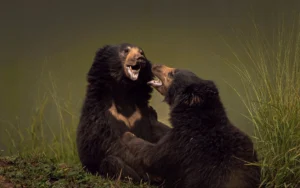
Plan your visit to Vansda National Park with this complete guide covering wildlife, birdwatching, best time to visit, how to reach, nearby attractions, and practical travel tips.
Complete Guide to Vansda National Park
Introduction
Vansda National Park is one of Gujarat’s smallest national parks, but its value lies in the quality of its forests rather than its size. Located in the state’s southern tribal belt, the park protects a well-preserved stretch of moist deciduous forest that forms part of the northern Western Ghats landscape. Dense tree cover, abundant birdlife, and diverse plant species make it an appealing destination for birdwatchers, photographers, students of ecology, and travellers seeking a quieter forest experience.
Visitors expecting a tiger safari or frequent sightings of large mammals may leave disappointed. Vansda is better appreciated as a forest where the experience comes from walking or driving through mature woodland, listening to birds, observing smaller wildlife, and understanding how this protected area contributes to the conservation of South Gujarat’s remaining natural forests. This distinction is one of the park’s greatest strengths and helps set realistic expectations before planning a visit.
The park also serves as a convenient nature destination for travellers from Surat, Navsari, Valsad, and Saputara. Many visitors combine it with nearby attractions such as Gira Waterfalls, Waghai, and the hill station of Saputara to create a relaxed weekend itinerary.
What Is Vansda National Park?
Vansda National Park is a protected forest located in Vansda Taluka of Navsari district, Gujarat. Established as a national park in 1979, it covers an area of 23.99 square kilometres. Although relatively small compared with many Indian national parks, it safeguards an important section of forest influenced by the Ambika River and forms part of the northern edge of the Western Ghats biodiversity region.
Unlike parks that focus primarily on safari tourism, Vansda is best known for its:
- Dense deciduous forests
- Bird diversity
- Native flowering plants
- Mature teak and bamboo forests
- Conservation importance within South Gujarat
Its compact size also makes it suitable for day trips or weekend visits without requiring extensive travel inside the protected area.
Quick Facts About Vansda National Park
| Feature | Details |
| State | Gujarat |
| District | Navsari |
| Established | 1979 |
| Area | 23.99 sq km |
| Forest Type | Moist and dry deciduous forest |
| Ecological Region | Northern Western Ghats |
| Known For | Birdwatching, forest biodiversity, native flora |
| Suitable For | Birders, photographers, families, nature enthusiasts |
Why Vansda Stands Out Among Gujarat’s Protected Areas
Most visitors associate Gujarat with destinations such as Gir National Park or the Little Rann of Kutch, where wildlife viewing often centres on a few well-known species. Vansda offers a different experience.
Instead of open grasslands or dry scrub forests, visitors enter a landscape dominated by mature woodland, shaded trails, bamboo groves, and seasonal streams. This environment supports a wide variety of birds, mammals, reptiles, insects, and flowering plants, making the park especially rewarding for travellers interested in observing ecosystems rather than searching only for large animals.
The park is also recognised for its botanical diversity, with more than 450 recorded plant species, including hundreds of flowering plants. This diversity supports a complex food web that benefits birds, insects, and mammals throughout the year.
Field Note: Vansda is often most enjoyable when visited at a slower pace. Paying attention to bird calls, tree species, butterflies, and forest sounds usually provides a more rewarding experience than focusing solely on spotting larger mammals.
History and Conservation
Long before it became a national park, the forests of Vansda were associated with the former princely State of Vansda. Historical records indicate that the area served as the private forest of the local ruler, which helped protect much of its tree cover from extensive commercial exploitation. This legacy contributed to the survival of mature forest that later became suitable for formal protection.
Recognising its ecological importance, the Government of Gujarat declared Vansda a national park in 1979. Since then, the protected area has helped conserve one of the state’s remaining tracts of southern moist deciduous forest while providing habitat for numerous mammals, birds, reptiles, and plant species.
More recently, conservation planning around the park was strengthened through an amendment to the Eco-Sensitive Zone (ESZ) notification issued in December 2023. While this update does not directly affect the visitor experience, it reinforces the importance of managing development around the park to protect wildlife habitat, forest connectivity, and ecological processes beyond the national park’s boundaries.
Landscape, Forests, Flora, Wildlife & Birdwatching
Landscape, Forests and Climate
Vansda National Park may cover just 23.99 sq km, but its landscape is very different from the dry forests that many travellers associate with Gujarat. The park lies within the northern reaches of the Western Ghats and is influenced by the Ambika River, creating a greener and more humid environment than much of the state. Rolling terrain, seasonal streams, and dense tree cover provide habitat for a wide range of plants and animals.
The combination of abundant rainfall and fertile soils supports forests that remain relatively intact compared to many surrounding areas. This makes Vansda an important refuge for wildlife and a valuable ecological link within South Gujarat.
Forest Types
The park is dominated by moist deciduous forest, with patches of dry deciduous woodland depending on local conditions. Mature teak stands, bamboo thickets, evergreen pockets near watercourses, and dense undergrowth create a layered forest structure that supports everything from insects and reptiles to birds and mammals.
Unlike open forests where wildlife is easily visible from a vehicle, Vansda’s dense vegetation often hides animals from view. Visitors are more likely to notice birdsong, butterflies, fresh animal tracks, and forest sounds than large mammals standing in the open.
Climate Through the Year
The park experiences three broad seasons:
- Winter (November–February): Pleasant temperatures, comfortable walking conditions, and excellent birdwatching.
- Summer (March–June): Warmer weather, but wildlife may become easier to notice around available water sources.
- Monsoon (June–September): Heavy rainfall transforms the forest into its greenest state, although access and visitor activities may be restricted depending on park management decisions.
Expert Tip: If your main interest is forest photography or birdwatching, plan your visit between late November and February, when visibility is generally better and resident as well as migratory birds are active.
Flora of Vansda National Park
One of Vansda’s greatest strengths is its plant diversity. The park supports more than 450 plant species, including over 440 flowering plants, making it one of Gujarat’s most botanically significant protected areas.
This rich vegetation supports pollinators, insects, reptiles, birds, and mammals while helping maintain healthy forest ecosystems throughout the year.
Teak, Bamboo and Dominant Trees
Several native tree species shape the character of the park.
Important trees include:
- Teak
- Bamboo
- Kusum
- Mango
- Various indigenous deciduous trees adapted to South Gujarat’s climate
Large trees create shaded conditions that allow smaller shrubs, climbers, fungi, and ground vegetation to flourish beneath the canopy.
Flowering Plants and Orchids
Beyond its trees, Vansda is known for numerous flowering plants and naturally occurring orchids. During and after the monsoon, many sections of the forest become particularly attractive as fresh vegetation emerges and flowering species bloom.
For botanists and nature photographers, the diversity of plants can be just as rewarding as wildlife sightings.
Photography Tip: Carry a macro lens if possible. Forest flowers, fungi, butterflies, and insects often provide excellent photographic opportunities, especially after the monsoon.
Wildlife of Vansda National Park
Although wildlife sightings cannot be guaranteed, Vansda supports an impressive variety of mammals, reptiles, and smaller animals considering its compact size. The dense forest provides suitable habitat for species that prefer thick woodland rather than open grasslands.
Visitors should approach the park with realistic expectations. This is a place where discovering signs of wildlife—tracks, calls, movement in the canopy, or brief sightings—is often part of the experience.
Mammals You May Encounter
Several mammals have been recorded from the park, including:
- Leopard
- Striped hyena
- Jungle cat
- Common palm civet
- Indian mongoose
- Wild boar
- Barking deer
- Chital
- Four-horned antelope (Chausinga)
- Rhesus macaque
- Hanuman langur
- Indian pangolin
- Flying squirrel
- Flying fox
- Indian porcupine
- Dhole (reported in reference sources)
Dense vegetation means these animals are often difficult to observe, especially during daylight hours.
Wildlife Highlights
| Group | Representative Species |
| Large Carnivores | Leopard |
| Small Carnivores | Jungle cat, palm civet, striped hyena |
| Deer & Herbivores | Chital, barking deer, four-horned antelope |
| Primates | Rhesus macaque, Hanuman langur |
| Nocturnal Mammals | Flying squirrel, flying fox |
| Rare Mammals | Indian pangolin |
Field Note: Leopard presence indicates a healthy forest ecosystem, but sightings are uncommon. Most visitors should consider any mammal encounter a bonus rather than the primary purpose of their visit.
Reptiles and Smaller Wildlife
While mammals receive most attention, reptiles, amphibians, butterflies, and insects contribute significantly to Vansda’s biodiversity. Seasonal streams and humid forest conditions support numerous smaller species that are often overlooked during short visits.
Naturalists willing to spend time observing the forest floor, fallen logs, and vegetation often discover far more than those searching only for large mammals.
Birdwatching at Vansda National Park
Birdwatching is widely regarded as one of the park’s biggest attractions. In fact, many experienced visitors consider Vansda a better birding destination than a traditional wildlife safari park. Gujarat Tourism highlights around 115 bird species, while the park’s varied habitats continue to attract birdwatchers throughout much of the year.
The combination of mature forest, bamboo, riverine vegetation, and flowering plants creates habitat for both resident and seasonal birds.
Notable Birds
Birdwatchers may look for species such as:
- Malabar trogon
- Greater racket-tailed drongo
- Asian paradise flycatcher
- Pompadour green pigeon
- Indian grey hornbill
- Indian pitta
- White-rumped shama
- Emerald dove
- Great black woodpecker
- Yellow-bellied sunbird
- Forest spotted owlet
- Indian peafowl
- Various woodpeckers, thrushes, and forest passerines
Some birds are easier to detect by their calls than by sight, making patience and careful listening valuable skills.
Birdwatching Seasons
| Season | Birdwatching Conditions |
| Winter | Best overall visibility and pleasant weather |
| Post-monsoon | Lush forests with active resident birds |
| Summer | Bird activity around water sources can improve observations |
| Monsoon | Beautiful scenery but birdwatching can be more challenging due to dense vegetation |
Why Birders Appreciate Vansda
Unlike heavily visited birding hotspots, Vansda offers relatively peaceful forest conditions. Quiet roads, dense canopy, and varied habitats encourage slow exploration and careful observation.
Visitors interested in identifying birds, photographing forest species, or simply enjoying natural sounds often find the park particularly rewarding.
Photography Tip: Early morning provides the best light and the highest level of bird activity. Carry binoculars alongside your camera, as many forest birds remain high in the canopy and may only be visible for a few seconds.
Best Time to Visit, How to Reach, Visitor Information & Nearby Places
Best Time to Visit Vansda National Park
The best time to visit Vansda National Park depends on what you hope to experience. Unlike parks known for dramatic predator sightings, Vansda is appreciated for its forests, birds, and overall natural environment. Choosing the right season can make a noticeable difference to your visit.
Winter (November to February)
For most travellers, winter is the ideal season.
The weather is comfortable, humidity is lower, and walking or exploring the forest is more enjoyable. Bird activity is high, making this the preferred season for birdwatchers and photographers. Cooler temperatures also make longer visits more pleasant.
Best for:
- First-time visitors
- Birdwatching
- Photography
- Families
- Nature walks
Summer (March to June)
Summer brings warmer temperatures, but the forest remains an interesting destination.
Wildlife may be easier to notice around limited water sources, although sightings are never guaranteed. Morning visits are generally more comfortable than afternoons.
Best for:
- Experienced wildlife enthusiasts
- Visitors interested in quieter forests
- Photography in early morning light
Monsoon (June to September)
Monsoon transforms Vansda into one of Gujarat’s greenest forest landscapes. Fresh vegetation, flowing streams, and flowering plants create beautiful scenery.
However, heavy rainfall can affect accessibility, and visitor regulations may change depending on weather and park management decisions. Always check the latest official information before planning a monsoon visit.
Best for:
- Landscape photography
- Botanical enthusiasts
- Returning visitors seeking lush scenery
Decision Guide: If you can visit only once, choose November to February. It offers the most comfortable weather and generally provides the best overall experience.
Seasonal Comparison
| Season | Weather | Wildlife Viewing | Birdwatching | Photography |
| Winter | Cool and pleasant | Good | Excellent | Excellent |
| Summer | Warm to hot | Moderate | Good | Good in mornings |
| Monsoon | Wet and humid | Variable | Moderate | Excellent landscapes |
How to Reach Vansda National Park
Vansda National Park is well connected by road to several towns in South Gujarat, making it suitable for both day trips and weekend visits. Many travellers combine it with Saputara or other attractions in The Dangs region.
By Road
Road travel is the most convenient way to reach the park.
Well-maintained roads connect Vansda with:
- Navsari
- Surat
- Waghai
- Saputara
- Valsad
Driving also provides flexibility for exploring nearby attractions before or after visiting the park.
By Rail
The nearest practical rail connections are through Navsari, Bilimora, and nearby railway stations that connect South Gujarat with major cities.
From the railway station, visitors typically continue by taxi or private vehicle.
By Air
The nearest major airport is Surat Airport, which offers regular flights to several Indian cities.
Travellers arriving by air can hire a taxi or self-drive to the park.
Recommended Base Towns
Different towns suit different travel styles.
| Base | Suitable For |
| Navsari | Short trips and easiest access |
| Surat | Weekend travellers and air connections |
| Waghai | Nature-focused itineraries |
| Saputara | Visitors combining wildlife with a hill station holiday |
Planning Your Journey
Many visitors combine Vansda National Park with nearby attractions over one or two days rather than visiting only the park.
This approach reduces travel time and provides a more varied South Gujarat nature itinerary.
Family Travel Tip: If travelling with children or older family members, staying overnight in Surat or Saputara makes the trip more relaxed than attempting a long same-day return journey.
Visitor Experience
Vansda is best approached as a forest destination rather than a conventional safari park.
Visitors spend their time observing forest habitats, listening for birds, watching butterflies, and appreciating the area’s ecological diversity instead of expecting constant wildlife sightings. This slower style of exploration is one of the park’s defining characteristics.
What Can You Expect?
Depending on current park regulations and seasonal conditions, visitors may experience:
- Forest drives
- Birdwatching
- Nature photography
- Wildlife observation
- Botanical interest
- Environmental education
Because official visitor arrangements can change, it is advisable to confirm current entry timings, permit requirements, and available facilities before travelling.
Responsible Tourism
Vansda protects a relatively small but ecologically significant forest.
Visitors can help preserve it by following simple practices:
- Stay on designated roads and paths.
- Avoid disturbing wildlife.
- Keep noise to a minimum.
- Never feed animals.
- Carry reusable water bottles.
- Take all litter back with you.
- Respect instructions from forest staff.
These small actions reduce disturbance and help maintain the park’s ecological integrity.
Nearby Places to Visit
One advantage of visiting Vansda National Park is the number of natural attractions within a comfortable driving distance. Combining destinations creates a more rewarding trip through South Gujarat’s forested landscape.
Saputara
Gujarat’s only hill station is a popular extension to a Vansda visit.
Its cooler climate, viewpoints, gardens, and lakes make it suitable for families and travellers looking to spend an extra day in the region.
Gira Waterfalls
Among South Gujarat’s best-known seasonal attractions, Gira Waterfalls is particularly impressive during and shortly after the monsoon.
It pairs naturally with Vansda for visitors interested in forests and scenic landscapes.
Waghai
Waghai serves as an important gateway to the forests of The Dangs.
It is also a convenient stop for food, local travel, and exploring nearby natural attractions.
Waghai Botanical Garden
Plant enthusiasts should consider visiting the Waghai Botanical Garden, which complements the experience of seeing native forest vegetation inside Vansda National Park.
The Dangs Region
The surrounding tribal landscape offers additional opportunities to appreciate South Gujarat’s forests, rural culture, waterfalls, and scenic drives.
Although many visitors pass through the area en route to Saputara, spending more time exploring the region provides a broader understanding of the landscape that supports Vansda National Park.
Suggested Itineraries
One-Day Trip
- Early morning departure from Surat or Navsari.
- Explore Vansda National Park.
- Birdwatching and photography.
- Lunch at a nearby town.
- Visit Gira Waterfalls (season permitting).
- Return by evening.
Two-Day Nature Itinerary
Day 1
- Visit Vansda National Park.
- Explore Waghai.
- Overnight stay in Saputara or Waghai.
Day 2
- Visit Saputara viewpoints.
- Explore nearby forests and attractions.
- Return home.
Expert Tip: Rather than trying to see everything quickly, spend more time quietly observing the forest. Vansda rewards patience far more than hurried sightseeing.
Practical Tips, Common Mistakes, FAQs & Conclusion
Practical Travel Tips
A little preparation can make your visit to Vansda National Park more comfortable and enjoyable. Since the park is valued for its forests, birds, and natural surroundings rather than luxury tourism infrastructure, visitors benefit from arriving well prepared.
Practical Checklist
Before your trip, consider carrying:
- Binoculars for birdwatching.
- A camera with a telephoto lens for wildlife and a wide-angle lens for landscapes.
- Comfortable walking shoes with good grip.
- Neutral-coloured clothing that blends into the forest.
- Drinking water and light snacks.
- Sun protection, including a hat and sunscreen.
- Insect repellent, particularly during warmer months.
- A small rain jacket or poncho if travelling during or just after the monsoon.
Avoid carrying portable speakers or playing music, as noise disturbs wildlife and reduces the experience for other visitors.
Photography Tips
Vansda rewards patience more than speed. The dense forest canopy creates changing light conditions throughout the day, making thoughtful photography more effective than simply taking large numbers of photographs.
To improve your chances of good wildlife and bird images:
- Visit early in the morning when birds are most active.
- Keep your camera ready, as many sightings are brief.
- Use natural light whenever possible.
- Avoid using flash on wildlife.
- Photograph habitats, plants, fungi, and landscapes in addition to animals.
Remember that some of the park’s most memorable photographs may feature ancient trees, forest trails, orchids, butterflies, or misty woodland rather than large mammals.
Family Travel Tips
Vansda can be a rewarding destination for families who enjoy nature and outdoor learning.
To make the visit more enjoyable:
- Start early to avoid midday heat.
- Carry sufficient drinking water.
- Encourage children to observe birds, butterflies, and trees rather than expecting frequent sightings of large animals.
- Plan regular rest stops during longer journeys.
- Combine the visit with Saputara or Gira Waterfalls for a varied family itinerary.
Setting realistic expectations helps children appreciate forests as living ecosystems instead of places where wildlife appears on demand.
Responsible Tourism
As one of Gujarat’s smaller protected areas, Vansda deserves careful and respectful visitation. Every visitor plays a role in protecting its wildlife and forests.
Follow these simple principles:
- Leave no litter behind.
- Never feed wildlife.
- Maintain a safe distance from animals.
- Avoid loud conversations and unnecessary noise.
- Stay on authorised roads and trails.
- Respect instructions from forest staff.
- Do not collect plants, flowers, or natural objects.
These practices help reduce disturbance to wildlife while ensuring future visitors can enjoy the park in its natural state.
Common Mistakes Visitors Make
Many first-time visitors arrive with expectations shaped by famous tiger reserves or lion safaris. Avoiding a few common misconceptions will lead to a much more rewarding experience.
Expecting Frequent Large Animal Sightings
Vansda is not primarily a big-game safari destination. Its greatest strengths are its forests, birdlife, and botanical diversity rather than guaranteed sightings of large mammals.
Rushing Through the Visit
Many visitors treat the park as a short stop before Saputara. Spending more time quietly observing the forest usually provides a richer experience.
Ignoring Birdlife
Some of the park’s greatest wildlife highlights are found in its bird diversity. Carrying binoculars can transform your visit.
Visiting Without Checking Current Information
Entry arrangements, seasonal access, or visitor facilities may change. Always confirm the latest information with the Gujarat Forest Department before travelling.
Treating the Park Like a Picnic Spot
Protected areas are designed for conservation first. Responsible behaviour helps preserve the forest for wildlife and future visitors.
Frequently Asked Questions
Where is Vansda National Park located?
Vansda National Park is located in Navsari district of South Gujarat, within Vansda Taluka, and forms part of the northern Western Ghats landscape.
How large is Vansda National Park?
The park covers 23.99 square kilometres, making it one of Gujarat’s smaller national parks.
When was Vansda National Park established?
It was declared a national park in 1979.
Why is Vansda National Park famous?
It is best known for its dense deciduous forests, birdwatching opportunities, rich plant diversity, and its ecological importance within the northern Western Ghats rather than for high-profile safari experiences.
Which animals can be seen in the park?
Species associated with the park include leopard, striped hyena, jungle cat, barking deer, chital, four-horned antelope, wild boar, langur, rhesus macaque, palm civet, porcupine, flying squirrel, pangolin, and several smaller mammals. Sightings depend on season, weather, and luck.
Is Vansda National Park good for birdwatching?
Yes. It is widely regarded as one of Gujarat’s rewarding forest birding destinations, with around 115 bird species highlighted by Gujarat Tourism.
What is the best time to visit?
For most visitors, November to February offers the most pleasant weather and the best overall conditions for birdwatching, photography, and exploring the forest.
Is the park open during the monsoon?
Visitor access may vary depending on weather conditions and park management decisions. Check the latest official information before planning a monsoon visit.
Can Vansda National Park be visited as a day trip?
Yes. It is well suited to day trips from Surat, Navsari, and nearby towns, although an overnight stay allows more time to explore the surrounding region.
Which attractions can be combined with Vansda National Park?
Popular nearby destinations include:
- Saputara
- Gira Waterfalls
- Waghai
- Waghai Botanical Garden
- The Dangs region
Conclusion
Vansda National Park demonstrates that a protected area does not need to be large to be ecologically important. Although it covers less than 24 square kilometres, it safeguards one of South Gujarat’s finest remaining tracts of moist deciduous forest and provides habitat for diverse plants, birds, and mammals.
Travellers who arrive expecting dramatic safari sightings may overlook what makes the park special. Those who slow down, listen to bird calls, observe the forest canopy, and appreciate the intricate relationships between trees, insects, birds, and mammals are likely to leave with a deeper understanding of this landscape.
Whether you are a birder, photographer, student of ecology, or simply someone looking for a peaceful forest escape, Vansda offers a different perspective on wildlife travel in Gujarat. Combined with nearby destinations such as Saputara, Gira Waterfalls, and Waghai, it forms the centrepiece of an enjoyable and educational journey through the forests of South Gujarat.
Author Note & Update Log: Written by the WildlifeSafaris.in Editorial Team. Last Updated: August 2026.
Safari Planning : Topics Cluster
- How to book a wildlife safari in India?
- Park by Park Online Safari Booking Guide
- Tiger Safari India Planning Workbook
- Park by Park Safari Permits Guide
- National Parks Permit Guide – Park by Park Guide
- Tatkal Safari Booking Guide – Last Minute Safari Permits Booking
- Tiger Safari in India Cost
- Indian Wildlife Safari Budget Planner
- Jeep vs Canter Safari
- Best time for Tiger Sightings in India
- How far advanced should you book safari permits?
- Can foreigners book Indian Wildlife Safari online?
- Special Permits Guide for Foreigners and Domestic Visitors
- How to book a Safari Permit online in India? 2026 step by step guide
- Senior Citizens Friendly Safari Planning
- Multi Generation Family Safari Planning
- 50 things to know before your first safari in India