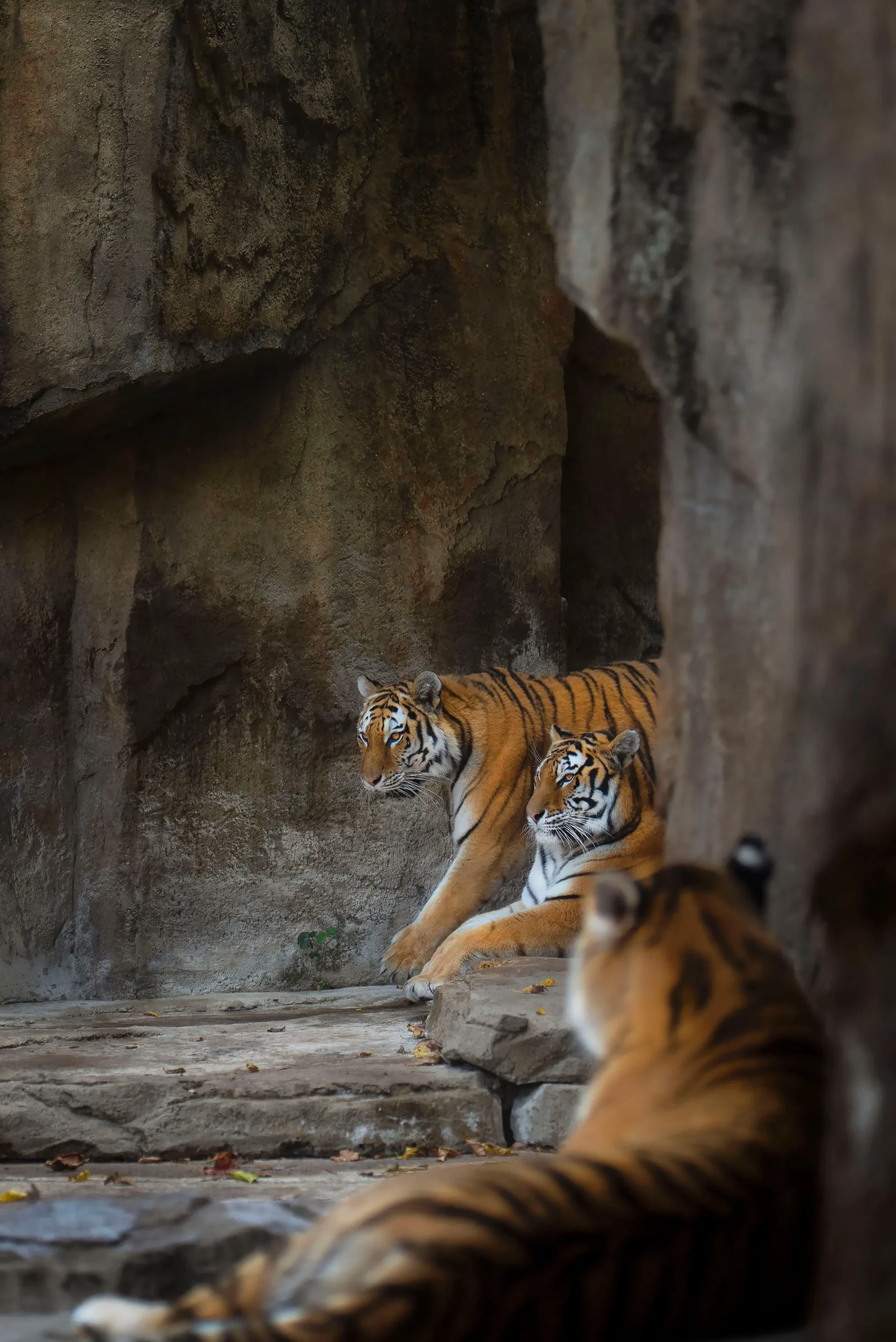
Compare top Kanha National Park resorts by gate proximity, cost, and safari support to choose the right wilderness lodge for your 2026 travel planning.
Selecting the right accommodation near Kanha National Park directly impacts the quality of your safari. Kanha National Park was established in 1973 and forms a vital part of the larger Kanha Tiger Reserve. Because the reserve covers a large geographic area, staying near the wrong gate can add hours of unnecessary driving to your daily schedule before your morning safari even begins.
Your choice of lodge should match your specific travel goals—whether you require technical support for professional wildlife photography, dedicated spaces for a family holiday, or dedicated naturalists who can explain the complex ecology of the Central Indian landscape.
Quick comparison of top Kanha resorts 2026
The table below provides a direct comparison of top-rated accommodation options near Kanha National Park to help narrow down your choice based on budget, location, and primary travel focus.
| Resort Name | Category | Nearest Gate | Primary Focus / Best For | Key Highlights & Distinctive Features |
| Taj Banjaar Tola | Luxury | Mukki Gate | Luxury Travelers & Couples | Set along the Banjaar River across 90 acres of private Sal forest. |
| Kanha Earth Lodge | Luxury / Eco | Mukki Gate | Photographers & Eco-tourists | Award-winning green architecture set away from the main tourist hubs. |
| Shergarh Tented Camp | Luxury / Tented | Mukki Area | Birding & Personalized Service | Custom permanent tents with high-quality local naturalist guiding. |
| Tuli Tiger Resort | Mid-Range | Khatia / Kisli Gate | Families & Large Groups | Extensive resort grounds with a swimming pool and wellness amenities. |
| Tathastu Kanha | Mid-Range | Mukki Area | Experience Seekers & Families | Balanced focus on wildlife outings and structured resort relaxation. |
| Soulacia | Mid-Range / Eco | Khatia Area | Value Seekers & Modern Travelers | Contemporary design mixed with easy access to the western core routes. |
| Chitvan Jungle Lodge | Mid-Range / Eco | Mukki Area | Nature Walking & Birding | Strong structural focus on open green spaces and sustainable lodge operations. |
| MPSTDC Kanha Jungle Camp | Budget / Govt | Khatia Gate | Budget Travelers & Fast Gate Access | Run by the government; provides clean, functional rooms right at the gate entry point. |
How to pick the right resort for your trip
To find the most suitable base for your trip, you need to look beyond aesthetic photos and examine practical factors like gate location, the quality of guiding staff, and operational logistics.
Proximity to gates: Khatia/Kisli vs Mukki explained
Kanha’s core safari zones are accessed through different entry points located hours apart. Proximity to your designated gate is the most critical variable when booking a lodge.
- Khatia / Kisli Gate: This is the busiest entry point, located on the western side of the reserve. It offers a high concentration of budget and mid-range accommodation options. Choosing a resort here is highly practical if your booked safari permits are for the Kisli, Kanha, or Sarhi core zones.
- Mukki Gate: Positioned on the southeastern side of the park, the Mukki gate access area provides a quieter wilderness environment. It is the primary base for several premium luxury camps and eco-lodges. Staying here makes practical sense if you plan to track wildlife within the Mukki core zone.
Field Note: Do not mix your bookings. If you hold safari permits for the Mukki zone but book a resort near the Khatia gate, you will face an exhausting two-hour drive along the park periphery in the dark just to reach the morning assembly point. Always match your lodge choice to the specific gate listed on your park permits.
Best options for photographers
Serious wildlife photographers have specific infrastructural needs that standard holiday resorts rarely fulfill. If your goal is capturing clean frames of Kanha’s unique hard-ground barasingha or Bengal tigers, look for lodges that cater directly to these demands.
- Vehicle and Route Support: Top-tier photography lodges maintain close professional ties with highly experienced local drivers who understand how to position a vehicle for optimal morning light and animal behavior.
- Power and Charging Stations: Check if the property provides multiple charging strips and reliable electricity backups in the rooms for heavy camera batteries, laptops, and data storage drives.
- On-site Naturalists: Photographers benefit significantly from working with specialized naturalists who can identify subtle alarm calls and anticipate predator movements rather than simply driving standard routes.
Naturalist expertise and conservation values
A pool and a nice dining hall do not improve your understanding of the forest. The quality of your safari depends heavily on the person sitting next to you in the gypsy.
When researching properties, check the credentials of their resident guiding team. Premium eco-lodges employ permanent, highly certified naturalists who actively participate in regional biodiversity monitoring. Furthermore, you should support properties that demonstrate clear conservation partnerships. Look for lodges that actively fund local anti-poaching initiatives, employ a high percentage of their staff from adjacent tribal villages, and use verified waste management and water-harvesting systems to reduce their footprint on the buffer ecosystem.
Premium luxury resorts near Kanha
When planning a high-end wildlife trip, true luxury is not defined by opulent chandeliers in the jungle. In Kanha, premium accommodation means securing exclusive access to highly qualified naturalists, seamless logistical support for early morning safaris, and private, undisturbed forest settings that extend your wildlife experience well beyond the park boundaries.
The best luxury lodges in this region are heavily concentrated around the southeastern side of the tiger reserve near the Mukki zone. These properties combine high-end hospitality with serious conservation commitments and bespoke safari management.
Taj Banjaar Tola
Taj Banjaar Tola is the top choice for travelers and couples seeking refined comfort without compromising on their proximity to the wilderness.
Instead of traditional brick-and-mortar rooms, the lodge features high-end, contemporary canvas suites perched directly along the banks of the Banjaar River. The property operates across 90 acres of private Sal forest, allowing guests to observe the local ecosystem from their private viewing decks. Because it is situated mere minutes from the Mukki gate, you spend your mornings exploring the core zone rather than driving through the peripheral buffer areas.
Expect comprehensive logistical support. The lodge manages all jeep safari bookings, provides high-quality vehicle provisions, and assigns highly trained Taj naturalists who understand the specific movement patterns of the Mukki tiger population.
Kanha Earth Lodge
If your primary focus is wildlife photography or eco-conscious travel, Kanha Earth Lodge by Pugdundee Safaris is the most practical premium option.
Unlike properties crowded near the main tourist hubs, this lodge is deliberately set away in a 16-acre natural forest estate bordering the buffer zone. It is widely recognized for its award-winning green architecture, utilizing local stone, mud plaster, and recycled waste wood to drastically minimize its environmental footprint.
For photographers, the lodge excels in providing targeted support. They employ dedicated naturalists who are often skilled photographers themselves, ensuring the safari vehicle is positioned correctly for the morning light and animal behavior rather than just driving the standard tourist routes. They also offer specialized nature walks and birding experiences in the surrounding forests for guests wanting to study the smaller ecology of the region.
Shergarh Tented Camp
Shergarh Tented Camp suits travelers who prefer an intimate, highly personalized scale over a large corporate resort environment.
Located near the Mukki gate area, Shergarh limits its capacity to just a handful of custom-built permanent tents. This low room count ensures that the staff can adapt meals, schedules, and safari strategies to your specific preferences. The camp is particularly strong for birding enthusiasts. The grounds are carefully managed to attract resident avian species, allowing you to continue your wildlife observations between your morning and afternoon drives.
The guiding standard here is excellent. The naturalists focus heavily on ethical wildlife viewing and an in-depth understanding of the landscape, making it a highly rewarding base for returning visitors who want to look past the apex predators and understand the broader Kanha ecosystem.
Best mid-range and eco-lodges
If you want a comfortable safari experience without paying premium luxury rates, Kanha’s mid-range segment offers excellent value. These properties generally provide standard resort amenities—such as swimming pools, large dining halls, and air-conditioned rooms—while maintaining close proximity to the park gates.
When booking in this tier, the main difference between properties lies in their focus: some operate as traditional family resorts, while others prioritize ecology and wilderness integration.
Tuli Tiger Resort
Tuli Tiger Resort is a strong choice for large groups and families looking for a traditional resort experience near the western side of the park. Located just a few kilometers from the Khatia/Kisli gate, it allows for quick morning transfers to the core zones.
Unlike boutique eco-lodges that focus entirely on the wilderness, Tuli provides extensive grounds, a large swimming pool, and structured wellness amenities. This makes it an ideal base if you are traveling with children or elderly family members who may opt out of the grueling early morning safaris and prefer to relax comfortably on the property.
Family Travel Tip: When traveling with young children, book a mid-range resort like Tuli that features a pool and enclosed grounds. Safaris require waking up before dawn and sitting quietly in a vehicle for hours. Having physical activities available back at the lodge helps children burn off energy between the morning and afternoon game drives.
Tathastu Kanha
Located near the Mukki area, Tathastu Kanha strikes a balance between a dedicated wildlife lodge and a leisure resort. It suits experience seekers who want comfortable, well-appointed rooms but still want to feel connected to the surrounding Sal forest.
The property provides reliable safari logistics and guided outings, but it also heavily emphasizes relaxation between drives. This is a practical middle ground if your group is divided between serious wildlife enthusiasts who want to track tigers and those who prefer to enjoy a holiday in the jungle ecosystem.
Chitvan Jungle Lodge and Soulacia
If your priority is eco-conscious travel but premium luxury lodges exceed your budget, Chitvan Jungle Lodge and Soulacia offer excellent mid-range alternatives.
- Chitvan Jungle Lodge: Situated in the Mukki area, Chitvan is built around the concept of open green spaces. The lodge integrates organic farming and sustainable operations into its daily management. It is an excellent base for travelers who want to focus on guided nature walks and birding around the lodge periphery when they are not inside the core zone.
- Soulacia: Positioned near the Khatia area, Soulacia caters to the modern traveler. It blends contemporary, clean design with easy access to the western core routes. It is a highly practical choice for value seekers who want modern amenities, reliable Wi-Fi, and comfortable rooms, combined with straightforward, no-fuss safari access.
Budget and government properties near the gates
You do not need to spend heavily to experience Kanha’s core zones. In fact, budget and government properties often occupy the most strategically advantageous locations right next to the park entry barriers.
MPSTDC properties and Khatia Jungle Camp
The Madhya Pradesh State Tourism Development Corporation (MPSTDC) operates several government properties near Kanha, including options right at the Khatia gate.
These lodges are entirely practical. They do not offer bespoke luxury or private naturalists, but they provide clean, functional rooms, secure parking, and standard Indian meals. Their primary advantage is unbeatable proximity. By staying at an MPSTDC property near the Khatia or Mukki gates, you can wake up later than guests staying at private resorts further away, and you are positioned perfectly to be among the first vehicles in line when the park barriers open at dawn.
These properties are ideal for budget-conscious photographers, solo travelers, and students who view their accommodation simply as a place to sleep between long hours spent in the forest.
Practical Note: Government properties must usually be booked directly through the official MP Tourism portals. Because of their price and location, they sell out months in advance during the peak tiger-sighting window between November and March.
Practical travel and safari logistics to know
Transfer times and transit routes
A common mistake when booking a Kanha safari is underestimating the travel time from regional airports to specific park gates. Both Jabalpur and Nagpur serve as primary transit hubs, but the drive times vary significantly depending on whether your resort is located near Khatia or Mukki.
Here is a practical comparison of typical transfer distances and durations:
Table 2: Airport Transfer Times to Kanha Gates
| Airport | Destination Gate | Approximate Distance | Estimated Drive Time |
| Jabalpur (JLR) | Khatia / Kisli Gate | ~160–170 km | 3.5 to 4 hours |
| Jabalpur (JLR) | Mukki Gate | ~200 km | 4 to 4.5 hours |
| Nagpur (NAG) | Mukki Gate | ~260–270 km | 5.5 to 6 hours |
| Nagpur (NAG) | Khatia / Kisli Gate | ~280–290 km | 6 to 6.5 hours |
Expert Tip: Whenever possible, fly into Jabalpur if your accommodation is located near the Khatia or Kisli entry points. If your resort is located in the Mukki area, either Jabalpur or Nagpur will work, though Jabalpur remains the shorter drive. Always arrange your transfers directly through your resort or a specialized safari operator rather than relying on local airport taxis, as the final stretch of road traverses remote buffer forests.
The safari booking process and park regulations
Unlike African reserves where private lodges often have unrestricted access to open concessions, wildlife viewing in India is heavily regulated by the state forest department.
- Permit Scarcity: Safari permits are tied to specific core zones (e.g., Kanha, Kisli, Mukki, Sarhi) and are released online months in advance. They sell out rapidly during the peak tiger-sighting windows. You cannot simply arrive at the gate and expect to buy a ticket for a jeep safari.
- Booking Assistance: Most mid-range and luxury resorts manage the jeep safari booking process for their guests. When reserving your room, immediately ask the lodge to secure your permits for the corresponding gate.
- Park Closures: The core zones of Kanha National Park close to tourists during the monsoon season to allow the ecosystem to recover. While some buffer zones may remain open, the primary safari experience is unavailable, and many resorts scale back operations or close entirely during these months.
Wildlife viewing expectations by season
Understanding the seasonal shifts in Kanha’s ecology is essential for managing your wildlife expectations. The forest transforms dramatically throughout the operational months, impacting both the scenery and the probability of tracking specific animals like the Bengal tiger and the hard-ground barasingha.
Seasonality and Tiger Sighting Likelihood:
- October to December (Post-Monsoon):
- Landscape: The Sal forests are dense, lush, and incredibly photogenic.
- Tiger Sighting Likelihood: Medium. The thick undergrowth provides excellent camouflage for predators, and abundant water sources mean tigers do not need to visit the main tourist roads to drink.
- Highlights: This is a spectacular time for birding and observing the park’s thriving herbivore populations—particularly the barasingha—grazing in the vibrant green meadows.
- January to March (Winter to Early Summer):
- Landscape: The vegetation begins to dry and thin out. Mornings are bitterly cold, requiring heavy winter layers.
- Tiger Sighting Likelihood: High. As the foliage thins and smaller waterholes dry up, animal movement becomes far more predictable around permanent water sources.
- Highlights: This is arguably the best overall window for wildlife photography and tiger tracking, offering excellent morning light without the severe heat of late summer.
- April to June (Peak Summer):
- Landscape: The forest is dry, brown, and visually sparse. Daytime temperatures become intensely hot.
- Tiger Sighting Likelihood: Very High. With vegetation stripped bare and water restricted to just a few perennial pools, tigers are frequently seen cooling off in the water during the early mornings and late afternoons.
- Highlights: If you are willing to endure the severe heat and dust, this period provides the highest statistical probability of sustained predator sightings.
Common mistakes to avoid when booking Kanha accommodation
- Assuming closer to the gate equals guaranteed sightings: While proximity to the entry barriers helps you avoid a long morning commute, it does not guarantee a tiger sighting. Wildlife sightings depend heavily on the season, park traffic, and tracking luck, not just where you sleep.
- Assuming all jungle lodges are eco-friendly: The term “eco-lodge” is often used loosely for marketing purposes. Do not assume a property is sustainable just because it is located in a forest. Look for specific, verifiable conservation partnerships, such as funding local anti-poaching programs or employing solar energy and water-harvesting systems.
- Dismissing MP Tourism properties as only budget options: A common misconception is that government-run properties lack comfort. While MPSTDC properties like the Kanha Jungle Camp are highly functional budget choices, some offer comfortable mid-range amenities in unbeatable locations right beside the park gates.
Frequently asked questions
1. Which resorts are nearest the Khatia/Kisli gate? MPSTDC Kanha Jungle Camp, Tuli Tiger Resort, and Soulacia are highly rated properties located very close to the Khatia/Kisli entry point.
2. Which resorts are nearest the Mukki gate? Taj Banjaar Tola, Kanha Earth Lodge, Shergarh Tented Camp, and Chitvan Jungle Lodge are all located in the Mukki gate area.
3. Which resorts have the highest tiger-sighting records? No resort can truthfully claim higher tiger-sighting records within the core park simply based on their brand, as all vehicles use the same public park routes. However, lodges that provide highly trained naturalists significantly increase your chances of tracking animal movements effectively.
4. Do resorts help book jeep or elephant safaris? Yes, most mid-range and luxury resorts will manage the safari booking process for you, though permits are subject to strict forest department availability.
5. What is the travel time from Jabalpur airport to popular resorts? The drive from Jabalpur typically takes 3.5 to 4 hours to reach the Khatia gate and slightly longer (4 to 4.5 hours) to reach the Mukki area.
6. Are there luxury lodge options available? Yes. Taj Banjaar Tola offers premium tented suites along the river, and Kanha Earth Lodge provides award-winning luxury eco-architecture.
7. Which resorts offer guided nature walks and birding? Properties set in private forests or large buffer estates, such as Kanha Earth Lodge and Shergarh, specialize in guided nature walks and excellent birding directly around their grounds.
8. Are child-friendly facilities available? Mid-range properties like Tuli Tiger Resort provide extensive enclosed grounds, swimming pools, and activities suitable for families traveling with children.
9. What months are best for safaris at Kanha? The core park is open from October to June. The best window for tiger sightings is typically between November and March when the weather is favorable and the vegetation begins to thin out.
10. Are resorts ecologically certified or involved in conservation? Levels of conservation commitment vary greatly. Premium lodges like Kanha Earth Lodge have won recognized travel awards for their environmental standards and actively employ local tribal staff.
11. Can international cards or currency be used at lodges? Most luxury and mid-range properties accept major international credit cards, but it is highly practical to carry Indian Rupees for tips, small local purchases, and government gate fees if they were not pre-paid.
12. Do resorts provide vegetarian and Indian meal options? Yes, standard Indian meals and extensive vegetarian options are the baseline at almost all resorts and government lodges in the region.
13. Is mobile and internet connectivity available at resorts? Wi-Fi is typically available in the main reception and dining areas of mid-range and luxury resorts, but bandwidth is often limited. Do not expect high-speed internet in your room or stable cellular networks once you enter the forest.
14. What room types are common? Options range from standard brick-and-mortar air-conditioned rooms at government and mid-range resorts, to private cottages, eco-mud chalets, and luxury canvas tents with private sit-outs at premium properties.
15. Are transfers included from Jabalpur or Nagpur? Airport transfers are rarely included in standard nightly rates. They must be booked as an add-on service through the resort or handled by your safari tour operator.
16. Are stays restricted during monsoon or park closure? The core zones of the tiger reserve close during the monsoon season. While the buffer zones remain accessible, many major resorts either reduce their operations or close entirely during these months.
17. Are single-day visitors allowed to use resort facilities without booking a night? Generally, no. Most wildlife lodges restrict their grounds, dining halls, and pools exclusively to overnight guests to maintain a quiet environment.
18. What is the difference between staying in a buffer zone vs a private reserve? Buffer zone lodges sit on the periphery of the park and share the landscape with local villages. Properties operating as “private reserves” (like the Taj Banjaar Tola estate) own large tracts of untouched land, providing a much more exclusive, undisturbed wilderness setting right outside your room.
19. Do resorts offer photography hides or vehicle support for pro photographers? Premium eco-lodges like Kanha Earth Lodge cater directly to professionals by providing vehicles equipped for camera mounts and assigning naturalists who understand photography light and positioning.
20. What cancellation policies and flexible booking options are common? Because safari permits are non-refundable and tied to specific names, resort cancellation policies are often strict, especially during peak season. Always verify the specific refund window before making your final payment.
What to check before you book (Trust & Planning Checklist)
Before transferring any payment to secure your Kanha accommodation, use this practical checklist to verify the credibility and operational standards of your chosen property:
- Verify Naturalist Credentials: Check the resort’s official website or ask their reservations team for short biographies of their lead naturalists. A high-quality lodge will proudly display the qualifications and field experience of their guiding staff.
- Confirm Gate Distances: Do not rely on generic maps. Ask the property for the exact distance in kilometers and the driving time in minutes from their reception desk to your specific permit gate.
- Check Independent Reviews and Awards: Look for recent traveler reviews on platforms like TripAdvisor or recognized industry awards (such as the World Travel Awards) to gauge the current service standards, rather than relying on outdated promotional material.
- Assess Conservation Engagement: Ask if the resort funds regional anti-poaching programs, manages plastic waste properly, or works with recognized wildlife NGOs.
- Use Official Contact Pages: Always book directly through official resort domains or official MPSTDC portals to avoid third-party markups and ensure your safari permits are processed legally.
Final Planning Step: Once you have chosen your resort, request their recommended packing checklist—this often includes essential advice on neutral-colored clothing, dust protection, and the specific camera settings best suited to Kanha’s unique morning light conditions.
Author Note & Update Log: Written by the WildlifeSafaris.in Editorial Team. Last Updated: August 2026.