
Master your safari packing with this expert-vetted list. Learn what clothes, gear, and essentials to bring for a comfortable, safe, and successful trip.
What to Pack for a Wildlife Safari
Packing for a safari is fundamentally different from preparing for a standard holiday. You are preparing for long hours in open vehicles, dusty trails, unexpected weather shifts, and strict conservation rules. A careless packing job can leave you shivering on an early morning drive, nursing a severe sunburn by noon, or realizing you missed a rare predator sighting because you lacked the right gear.
This guide provides a practical, field-tested breakdown of exactly what you need to bring to ensure your comfort, safety, and success in the wilderness.
Why Safari Packing Requires a Strategy
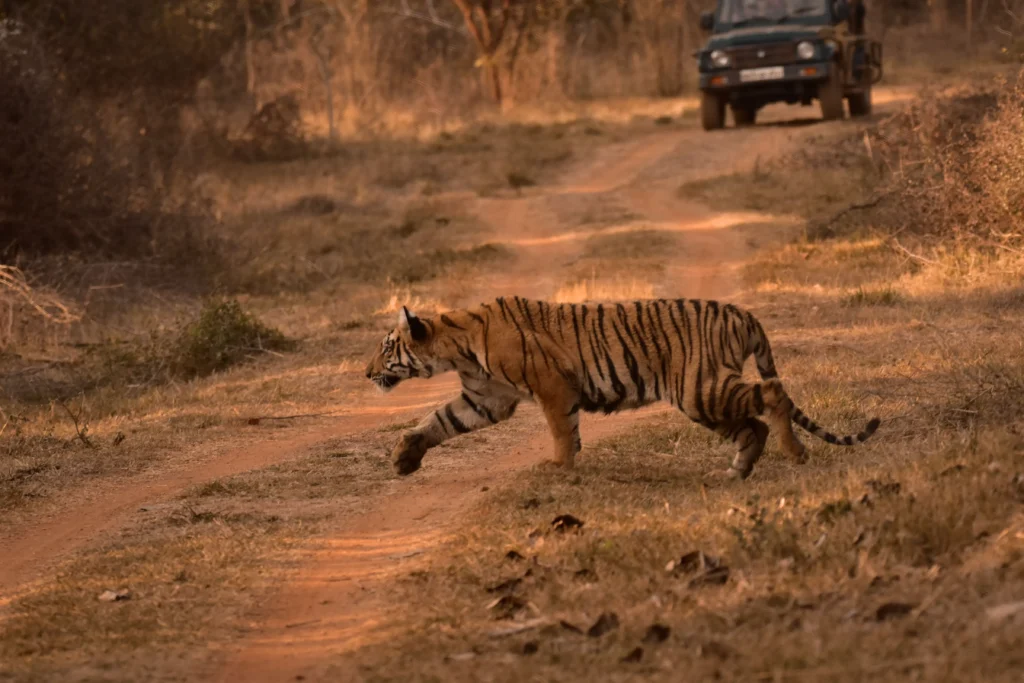
A successful safari requires balancing strict utility with light packing. You must prepare for changing microclimates, harsh sun, and heavy dust without overpacking your bags. Every item in your luggage should serve a specific purpose, withstand rugged conditions, and respect the natural environment.
Field Note: In the wilderness, you cannot easily replace forgotten items. Remote safari lodges and park entry gates rarely sell more than basic souvenirs, meaning your daypack must contain your daily essentials.
The Luggage Rules: Why Soft-Sided Bags Matter
If you are wondering whether to bring your hard-shell suitcase, the answer is generally no. Soft-sided luggage is highly recommended, and often strictly required, by safari operators, small charter airlines, and lodge transfer vehicles.
Hard suitcases do not pack down. Safari vehicles and smaller aircraft have rigid, tightly configured cargo compartments. Soft-sided duffels or flexible bags can be compressed to fit into these tight spaces seamlessly. Choosing lightweight, durable nylon or canvas bags will save you from repacking or facing luggage rejection at the airstrip.
Clothing and Footwear: What to Wear on Safari
To pack effectively for safari game drives, you must focus on specific color palettes, breathable fabrics, and highly adaptable layers.
The Rule of Neutral Colors
Earth-toned, neutral colors—such as khaki, beige, olive green, tan, and brown—are the standard for safari clothing.
These shades serve practical functions. They help you blend into the natural environment, minimizing visual disruptions for the wildlife. On a more practical note, neutral earth tones are excellent at hiding the thick layers of dust that inevitably settle on you during a game drive. Bright whites stand out instantly, while dark blues and blacks can attract biting insects in certain wilderness environments.
Layering for Extreme Temperature Swings
The most effective way to stay comfortable on a safari is to pack clothes that can be layered. Safari environments regularly experience dramatic temperature shifts. Early morning game drives start before dawn when the air is cold and the wind chill in an open vehicle is significant. By mid-morning, temperatures climb rapidly, leading to intense heat by afternoon.
Pack lightweight base layers, such as breathable t-shirts or long-sleeve shirts, that shield you from the sun. Add a mid-layer fleece or sweater, and cap it off with a windproof jacket. As the sun warms the landscape, you can peel away layers to stay cool, then reverse the process during afternoon drives as twilight falls.
Selecting the Right Safari Shoes
You do not need heavy, rigid hiking boots for a standard, vehicle-based wildlife safari. Heavy boots add unnecessary weight to your luggage and can cause your feet to overheat during long drives.
Instead, choose closed, comfortable walking shoes or supportive trainers. Your shoes must be closed to protect your feet from thorns, biting insects, and rough vehicle floors. They should offer good traction for stepping safely in and out of elevated safari jeeps. Reserve specialized hiking boots only if your itinerary explicitly includes extended, multi-hour walking safaris.
Sun and Dust Protection: Hats, Scarves, and Eyewear
Extended exposure to sun and dust is a constant reality on game drives. A wide-brimmed hat is an essential item for protecting your face, ears, and neck from sunburn. Look for hats with a chin strap to prevent them from blowing away when the safari vehicle picks up speed on open trails.
Additionally, pack a lightweight scarf, buff, or neck gaiter. When trailing another vehicle, a scarf can be pulled over your nose and mouth to block swirling dust. It also provides an extra layer of warmth during chilly mornings and prevents sunburn on your neck later in the day. Pair this with high-quality sunglasses to protect your eyes from the glare of the midday sun.
Essential Safari Gear and Optics
Your clothing keeps you comfortable, but your gear dictates how well you experience the wildlife. A successful safari relies on a few well-chosen optical and practical tools to bridge the distance between you and the animals.
Why Binoculars are Non-Negotiable
Many first-time travelers assume the safari vehicle will pull up right next to the wildlife. In reality, animals are not always close, and off-road access is frequently prohibited, particularly in Indian national parks to protect fragile ecosystems.
Because you must stay on designated tracks, binoculars are strongly recommended. They are essential for spotting a leopard resting high in a distant tree or observing the intricate behaviors of birdlife. Do not rely solely on your camera’s zoom lens to view wildlife; holding a heavy camera to your eye for long periods is tiring, and you will miss the broader context of the scene.
Expert Tip: Bring one pair of binoculars per person if possible. Wildlife sightings can last only seconds, and passing a single pair back and forth means someone will miss the action.
Camera Gear and Power Management Field Rules
Wildlife photography requires speed and preparation. The standard recommendation is to bring a reliable camera with spare batteries and extra memory cards. The wilderness does not offer charging stations or electronics stores, so redundancy is key.
Power management is increasingly critical in remote safari travel. Ensure you pack a durable power bank to keep your phone or secondary devices charged during long drives.
Photography Tip: Dust is the enemy of camera equipment. Keep your camera in a closed bag or wrapped in a soft cloth when you are driving, and avoid changing lenses while the vehicle is moving to prevent dust from entering the camera body.
Organizing Your Safari Daypack
You will spend several hours away from your lodge on a typical game drive. A small backpack or daypack is heavily preferred for storing your water, snacks, and personal essentials during these excursions.
Keep your daypack compact. Space inside a safari jeep is limited, and a massive backpack will crowd your legroom. Pack only what you will need between breakfast and lunch: your extra clothing layers, optics, sun protection, and hydration.
Medical, Health, and Personal Care Essentials
A safari lodge is not a pharmacy. Remote locations mean you must be completely self-reliant for minor medical and hygiene needs.
The Wilderness First Aid Kit
Packing basic health items is universally recommended across safari guides. You should carry a small, personalized first-aid kit containing pain relievers, motion sickness tablets, and any personal medicines you require.
Hygiene in the bush also requires planning. Pack hand sanitizer and travel wipes. Safari drives can be incredibly dusty, and you will appreciate having wipes to clean your hands and face before having your morning tea or snacks in the vehicle.
Insect Defense and Skin Care
Even if you are traveling outside of the monsoon season, insect repellent is a standard packing requirement. Apply it to your exposed skin, particularly around your ankles, before your morning and late afternoon drives.
Equally important is robust skin protection. A high-SPF sunscreen is repeatedly listed as an absolute essential. The open-top design of many safari jeeps leaves you exposed to direct, harsh sunlight for hours, making rigorous sun protection vital for your comfort and safety.
Travel Documents and Financial Security
You can buy a forgotten hat or borrow sunscreen, but missing paperwork will stop your safari before it begins. Traveling in wilderness areas requires having your administrative essentials organized and accessible.
Essential Permits and Printed Verification
Your safari permit is the most critical item you carry. Park gates enforce strict entry rules, and you must present the exact identification document used to book your ticket.
Many packing lists fail to mention what documents are actually worth having printed. You should always carry physical, printed copies of your safari permits and lodge booking confirmations. Wilderness areas and national park gates frequently experience poor mobile network coverage, making it impossible to download a digital ticket when requested by forest officials.
Practical Checklist: Document Daypack Essentials
- Original government ID or passport (must match the safari permit exactly)
- Printed copies of all safari permits and vehicle bookings
- Emergency contact numbers and lodge address written on paper
Managing Cash in Remote Landscapes
While your safari lodge may accept credit cards for your stay, extra cash is highly useful in remote areas where cards may not work reliably. Point-of-sale machines frequently fail due to unstable internet connections in the bush. You will need small denominations of local currency to tip your safari drivers and guides, pay for roadside meals during transit, or purchase items from local community shops.
Season-Specific Packing Strategies
A common misconception among first-time travelers is that one generic list works for every safari. In reality, your safari packing should be adapted to the specific season, park rules, and safari type. Recent 2026 safari advice continues to emphasize realistic weather planning, especially for variable conditions.
Winter Safaris: Managing Early Morning Chills
Long sleeves and layered clothing are recommended because mornings and evenings can be surprisingly cool, even in traditionally warm safari destinations.
When driving in an open 4×4 vehicle before sunrise, the wind chill is significant. Start with a warm base layer, add a fleece, and top it with a windproof jacket. A scarf, buff, or neck gaiter can help substantially with the morning chill. As the morning progresses and the sun warms the forest, you can remove these layers and store them in your daypack.
Summer Safaris: Beating the Intense Heat
If you are visiting Indian landscapes like Ranthambore, Tadoba, or Bandhavgarh in the peak of summer, your packing strategy must focus entirely on heat and sun management.
A wide-brimmed hat, sunglasses, and sunscreen are repeatedly listed as essential for sun protection. Wear lightweight, breathable cotton or moisture-wicking fabrics in neutral colors. Ensure your daypack always contains a full water bottle to maintain hydration during the intense afternoon heat.
Monsoon and Shoulder Season Preparation
Travelers often assume that rain gear is unnecessary in safari country. However, light rain protection is important because safari weather can shift rapidly, especially during monsoon or shoulder seasons.
Pack a lightweight, waterproof windbreaker or a compact rain poncho. It takes up minimal space in your soft-sided luggage but provides critical protection if you are caught in a sudden downpour while miles away from your lodge in an open vehicle.
Specialized Packing for Families and Photographers
Safari packing becomes more complex when you are managing the needs of children or carrying heavy optical gear. Both scenarios require specific additions to your packing list to ensure the game drives remain enjoyable and productive.
Safari Packing with Children
Families traveling with children must plan for the physical demands of long game drives. Children are more sensitive to the extreme temperature swings, dust, and bumpy roads.
Ensure you pack extra, easily removable layers for kids, as they will feel the morning cold more intensely than adults. Motion sickness is common on rough forest tracks, so pediatric motion sickness medication is a highly recommended addition to your family first-aid kit.
Family Travel Tip: Game drives demand long periods of quiet observation. Pack silent, nature-focused entertainment, such as a local wildlife checklist or their own inexpensive pair of binoculars, to keep them engaged without causing disruptions.
Advanced Add-ons for Wildlife Photographers
While casual travelers can rely on a standard camera with spare batteries and memory cards, dedicated photographers need specialized gear.
Because you cannot leave the vehicle in national parks, traditional tripods are often useless and consume too much space in a shared jeep. Instead, pack an empty camera beanbag. You can fill it with rice or beans locally and use it to stabilize long lenses on the vehicle’s grab rails. Furthermore, because dust is pervasive, ensure your camera bag is fully sealable and bring a compressed air blower for daily sensor cleaning.
The Leave-Behind List: What Not to Pack
Knowing what to omit from your luggage is highly useful for first-timers. Overpacking restricts your mobility and clutters the limited space inside safari vehicles.
Restricted Items and Local Laws
Drones may be legally restricted or require complex commercial permits in safari areas. In most national parks, flying a personal drone for recreational photography is strictly prohibited. Bringing one can result in confiscation at the park gate or heavy fines.
Clothing Styles and Items to Avoid
Do not pack camouflage clothing. While it may seem appropriate for the wilderness, camouflage is often restricted to military and anti-poaching forest guards, and tourists are actively discouraged or forbidden from wearing it.
Leave heavy hiking boots at home unless you have booked a specialized walking safari; they are too hot and bulky for standard game drives. Finally, avoid strong perfumes, colognes, and heavily scented lotions. Unnatural scents can attract insects and potentially alert wildlife to your presence.
Safari Packing Reference Tables
To simplify your preparation, use these quick-reference guides to ensure you are packing efficiently.
Table 1: Safari Clothing Color Guide
| Color Choice | Recommendation | Why it Matters |
| Khaki, Olive, Tan, Beige | Highly Recommended | Blends into the environment; hides thick dust effectively. |
| Bright Colors (Red, Yellow, White) | Avoid | Startles wildlife; white clothing becomes visibly dirty immediately. |
| Dark Blue and Black | Avoid | Attracts biting insects in certain wilderness environments. |
| Camouflage | Do Not Pack | Often restricted for use only by military or park rangers. |
Table 2: Core Gear Allocation
| Category | The Essentials (Must Pack) | Nice-to-Have (Optional) |
| Optics & Tech | Binoculars, camera, spare batteries, power bank | Telephoto lens, laptop for editing |
| Bags | Soft-sided duffel, small daypack | Dedicated camera hard-case |
| Health | Sunscreen, insect repellent, personal medications | Rehydration salts, after-sun aloe gel |
| Accessories | Wide-brimmed hat, sunglasses, buff/scarf | Safari vest with multiple pockets |
Frequently Asked Questions
What is the essential safari packing list?
The core essentials include neutral-colored layers, comfortable closed shoes, a wide-brimmed hat, sunglasses, sunscreen, insect repellent, a small daypack, binoculars, and printed copies of your ID and safari permits.
Are bright colors okay on safari?
No, bright colors are not recommended. Earth-toned, neutral colors like khaki, olive, and brown are safer and more practical because they blend into the environment and hide dust.
Are camouflage clothes allowed?
Generally, no. Camouflage is often reserved for local military or anti-poaching units, and it is widely discouraged or prohibited for tourists to wear on safari.
Do I need binoculars?
Yes, binoculars are strongly recommended. Safari vehicles must remain on designated tracks, meaning animals are not always close. Binoculars ensure you do not miss distant sightings.
Is soft-sided luggage required?
Many safari guides and operators advise using soft-sided luggage. It is easier to compress into the tight cargo compartments of small charter aircraft, safari jeeps, and lodge transfer vehicles.
Can I bring a drone?
No, drones may be restricted or require special permits in safari areas. Unpermitted drones are usually banned to prevent distressing the wildlife and violating conservation laws.
Conclusion
Preparing for a wildlife safari does not require buying an entirely new wardrobe, but it does require strategic thinking. The conditions in the bush are unpredictable, alternating rapidly between freezing mornings, blazing afternoons, and sudden dust storms.
By following the core principles of wilderness travel—pack light, layer well, and stay neutral—you ensure that your focus remains exactly where it should be: on the wildlife. Equip yourself with the right soft-sided luggage, reliable optics, and practical sun protection, and you will be fully prepared for whatever the trail reveals.
Tiger Safari in India : Topics Cluster
- Tiger Safari Planning Workbook
- Tiger Safari Booking Guide
- Best time for tiger sightings in India
- How to increase chances of tiger sighting?
- Tiger Safari Naturalist Guide
- Tiger Safari India Cost
- How to book a Tiger Safari in India?
- Best Wildlife Tour Operators in India
- Best Destination Cities for Tiger Safaris in India
- Tiger Safari under ₹25000
- Top 10 Budget Tiger Safaris 2026
- Tiger Photography Tips
- Best Tiger Reserves
- Top 10 Tiger Reserves by sighting chances
Safari Planning : Topics Cluster
- How to book a wildlife safari in India?
- Park by Park Online Safari Booking Guide
- Tiger Safari India Planning Workbook
- Park by Park Safari Permits Guide
- National Parks Permit Guide – Park by Park Guide
- Tatkal Safari Booking Guide – Last Minute Safari Permits Booking
- Tiger Safari in India Cost
- Indian Wildlife Safari Budget Planner
- Jeep vs Canter Safari
- Best time for Tiger Sightings in India
- How far advanced should you book safari permits?
- Can foreigners book Indian Wildlife Safari online?
- Special Permits Guide for Foreigners and Domestic Visitors
- How to book a Safari Permit online in India? 2026 step by step guide
- Senior Citizens Friendly Safari Planning
- Multi Generation Family Safari Planning
- 50 things to know before your first safari in India