
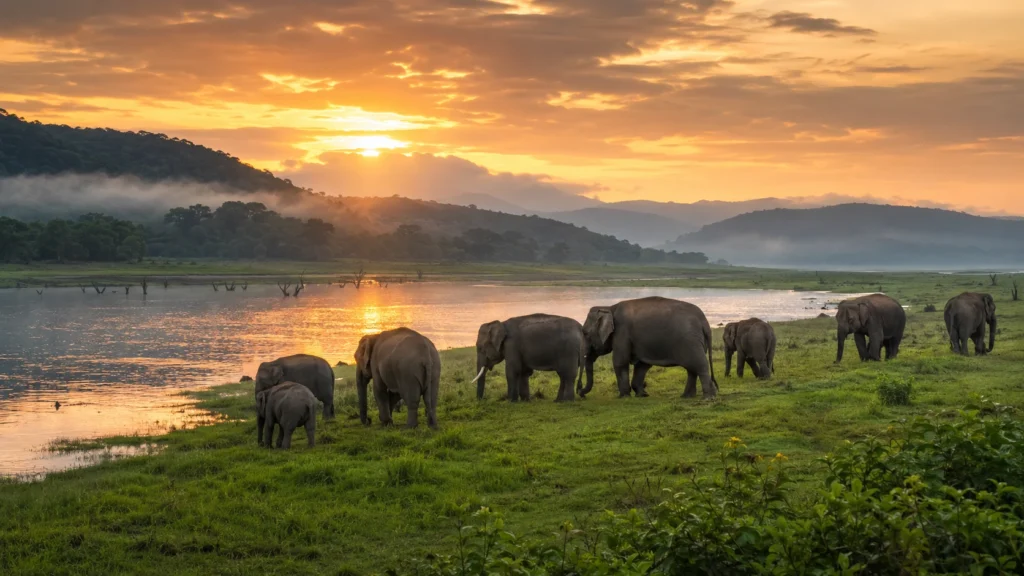
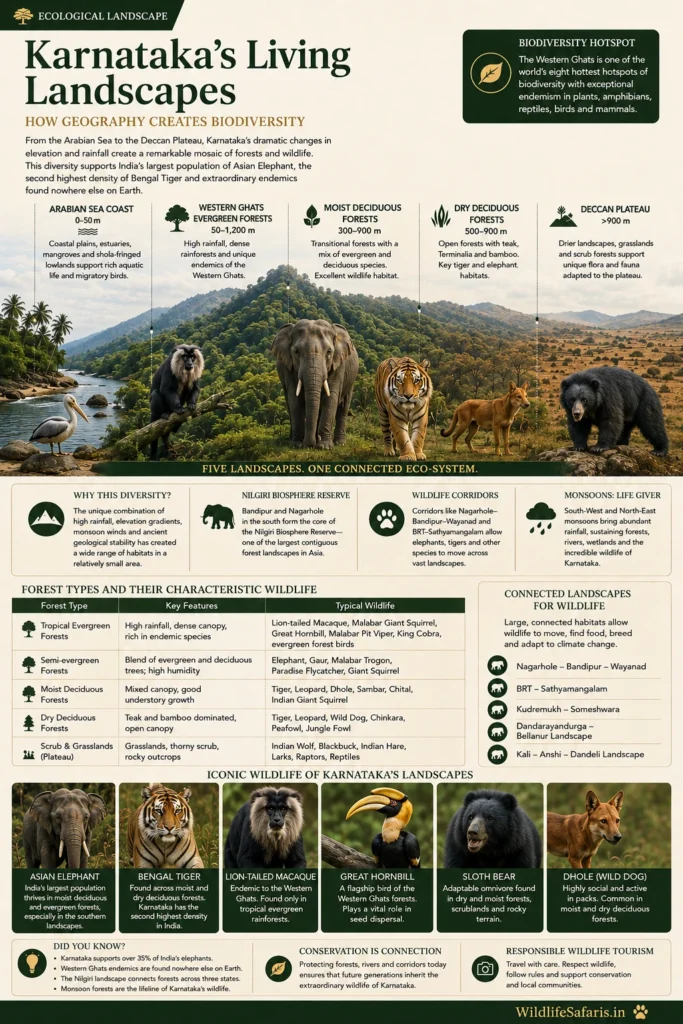
Karnataka, geographically positioned in the southern peninsula of India, is one of the country’s most prominent wildlife destinations. The state’s diverse physiography encompasses the vast, semi-arid Deccan Plateau in the east, the lush coastal plains along the Arabian Sea, and the towering escarpments of the Western Ghats—a globally recognised biodiversity hotspot—running through its western edge. Influenced by a tropical monsoon climate, Karnataka sustains a highly varied vegetative cover, transitioning from coastal mangroves and dry deciduous scrubs to expansive tracts of moist deciduous and pristine tropical evergreen forests. This ecological richness accounts for a forest cover encompassing over twenty per cent of the state’s total geographical area.
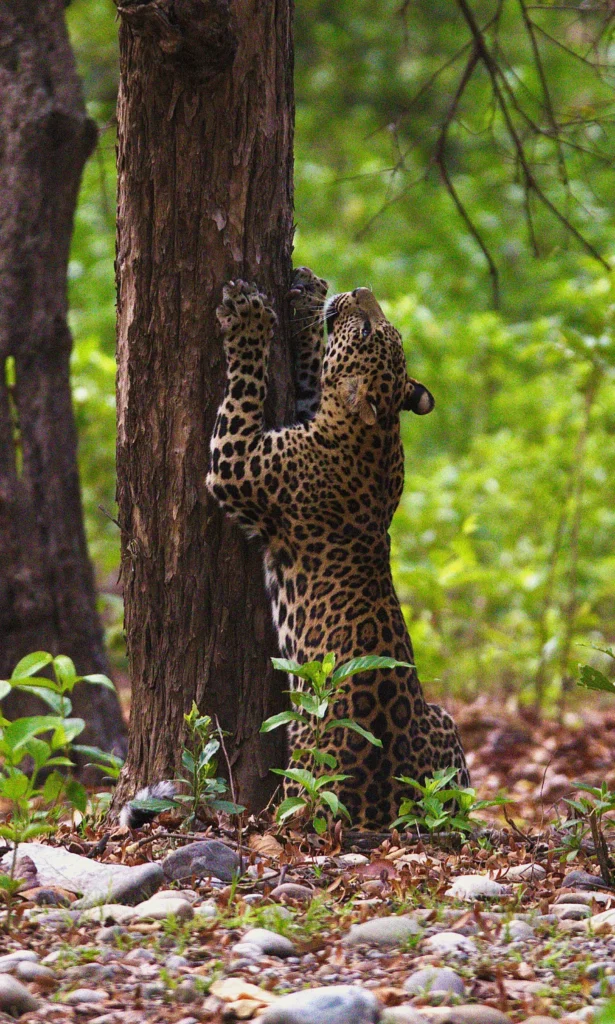
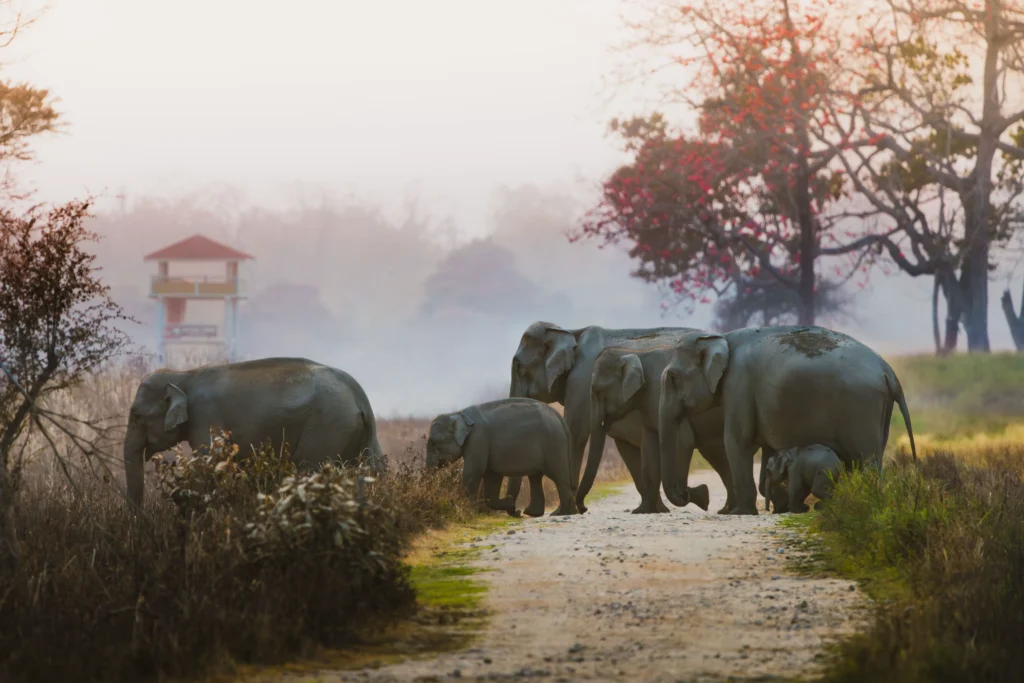
Karnataka holds unparalleled global significance for mega-herbivore and large carnivore conservation. It harbours India’s largest population of the Asian elephant, the designated state animal, alongside the country’s second-highest density of the Bengal tiger. The southern protected areas—specifically Bandipur and Nagarhole National Parks—form the core of the Nilgiri Biosphere Reserve, creating one of the largest contiguous forest landscapes in Asia. Further north, the dense rainforests of Bhadra and Kali Tiger Reserves support highly elusive fauna, including the black panther (a melanistic variant of the Indian leopard), the endemic lion-tailed macaque, and the Malabar giant squirrel.
The state’s avifauna is equally spectacular, featuring Western Ghats endemics such as the Malabar grey hornbill and the Sri Lanka frogmouth, while the drier plains support the state bird, the Indian roller. Karnataka’s aquatic ecosystems are also globally recognised, with recent Ramsar designations like the Aghanashini Estuary and Magadi Kere highlighting the region’s importance for migratory waterfowl. Supported by an advanced, community-integrated eco-tourism model, primarily driven by the state’s Jungle Lodges and Resorts, Karnataka manages a delicate balance between intensive agricultural expansion, infrastructure development, and the preservation of its extraordinary natural heritage.
Quick Facts Table
| Category | Details |
|---|---|
| State / Union Territory | Karnataka |
| Capital | Bengaluru |
| Area | 191,791 sq km |
| Population | 61,095,297 (2011 Census) |
| Forest Cover | 20.19% |
| Official Language(s) | Kannada |
| Time Zone | UTC+05:30 (IST) |
| Best Wildlife Season | October to May |
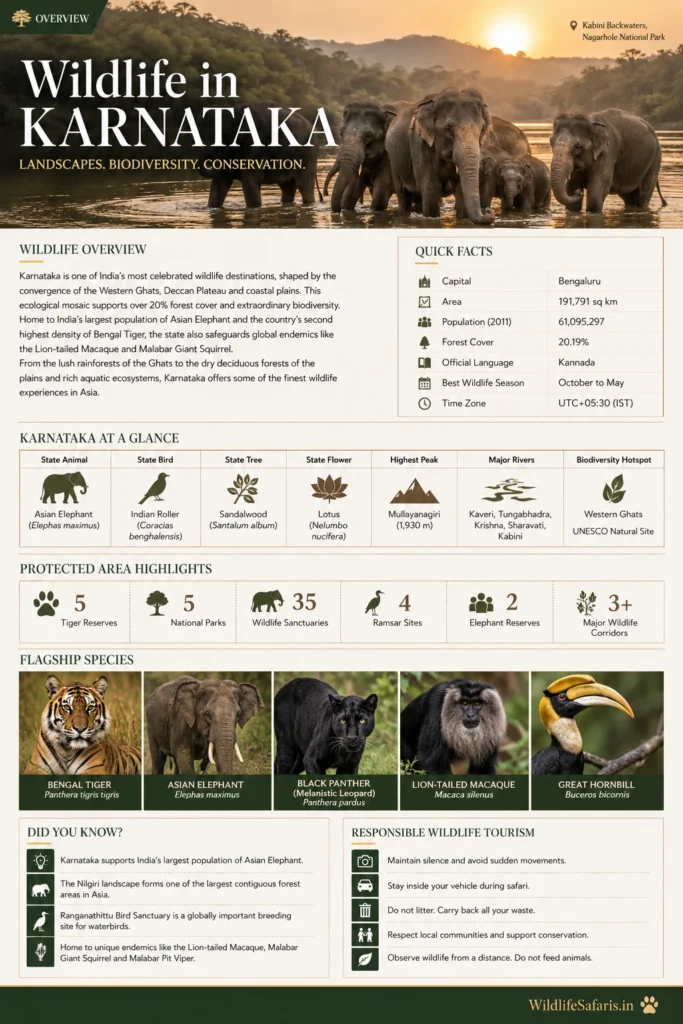
State Wildlife Master Table
| Attribute | Details |
|---|---|
| State / Union Territory | Karnataka |
| Capital | Bengaluru |
| Geographic Region | Deccan Plateau, Western Ghats, Coastal Plains |
| Total Area | 191,791 sq km |
| Forest Cover | 20.19% |
| State Animal | Asian Elephant (Elephas maximus) |
| State Bird | Indian Roller (Coracias benghalensis) |
| State Tree | Sandalwood (Santalum album) |
| State Flower | Lotus (Nelumbo nucifera) |
| Highest Peak | Mullayanagiri (1,930 m) |
| Major Rivers | Kaveri (Cauvery), Tungabhadra, Krishna, Sharavati, Kabini |
| Major Forest Types | Tropical Evergreen, Semi-evergreen, Moist Deciduous, Dry Deciduous |
| Biodiversity Hotspot | Western Ghats |
| UNESCO Natural Sites | Western Ghats (Serial Nomination – multiple clusters) |
| Biosphere Reserves | Nilgiri Biosphere Reserve |
| Tiger Reserves | Bandipur, Bhadra, Biligiri Ranganatha Temple (BRT), Kali, Nagarhole |
| Elephant Reserves | Mysore Elephant Reserve, Dandeli Elephant Reserve |
| National Parks | Anshi, Bandipur, Bannerghatta, Kudremukh, Nagarhole (Rajiv Gandhi) |
| Wildlife Sanctuaries | 35 Sanctuaries (including Brahmagiri, Cauvery, Dandeli, Daroji, Ranganathittu) |
| Conservation Reserves | Magadi Kere, Ankasamudra, Hornbill, Bedthi, Aghanashini Lion-tailed Macaque |
| Community Reserves | Kokkare Bellur |
| Ramsar Sites | Ranganathittu Bird Sanctuary, Aghanashini Estuary, Magadi Kere, Ankasamudra |
| Important Bird Areas (IBAs) | 37 IBAs including Ranganathittu, Gudavi, Kokkare Bellur, Nagarhole |
| Major Wildlife Corridors | Nagarhole-Bandipur-Wayanad, BRT-Sathyamangalam, Kudremukh-Someshwara |
| Flagship Mammals | Asian Elephant, Bengal Tiger, Indian Leopard, Dhole, Lion-tailed Macaque |
| Flagship Birds | Great Hornbill, Indian Roller, Malabar Trogon, Spot-billed Pelican |
| Endemic Wildlife | Lion-tailed Macaque, Malabar Giant Squirrel, Malabar Pit Viper |
| Best Wildlife Destinations | Nagarhole NP (Kabini), Bandipur NP, Kali TR, BRT TR |
| Best Time for Wildlife Tourism | October to May (Summer is optimal for big cat sightings) |
| Nearest International Airports | Kempegowda International Airport (Bengaluru), Mangaluru International Airport |
| Official Forest Department Website | aranya.gov.in |
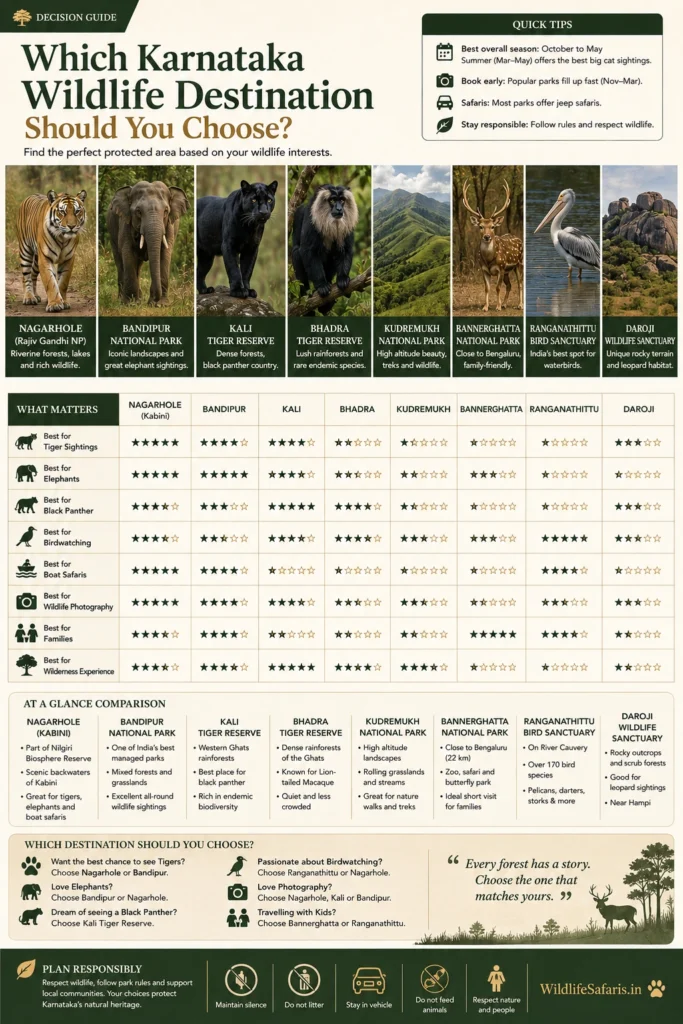
Protected Areas Summary Table
Note: Karnataka manages a vast network of Protected Areas. The table below highlights all National Parks, Tiger Reserves, and ecologically critical Sanctuaries.
| Protected Area | Category | District | Area (sq km) | Year Established | Famous For |
|---|---|---|---|---|---|
| Anshi National Park (Kali TR) | National Park | Uttara Kannada | 417.34 | 1987 | Black Panther, Great Hornbill, Evergreen Forests |
| Bandipur National Park | National Park | Chamarajanagar | 872.24 | 1974 | Bengal Tiger, Asian Elephant, Dhole |
| Bannerghatta National Park | National Park | Bengaluru Urban | 260.51 | 1974 | Urban Elephant Corridor, Sloth Bear, Safari Park |
| Kudremukh National Park | National Park | Chikkamagaluru, Udupi | 600.32 | 1987 | Lion-tailed Macaque, Shola Grasslands, Trekking |
| Nagarhole (Rajiv Gandhi) National Park | National Park | Kodagu, Mysuru | 642.39 | 1988 | High Tiger Density, Leopard, Kabini Backwaters |
| Bhadra Tiger Reserve | Tiger Reserve | Chikkamagaluru, Shivamogga | 492.46 | 1998 (TR status) | Bengal Tiger, Malabar Giant Squirrel, River Terns |
| Biligiri Ranganatha Temple (BRT) TR | Tiger Reserve | Chamarajanagar | 539.52 | 2011 (TR status) | Confluence of Eastern and Western Ghats, Tiger |
| Brahmagiri Wildlife Sanctuary | Wildlife Sanctuary | Kodagu | 181.29 | 1974 | Asian Elephant, King Cobra, Shola Forests |
| Cauvery Wildlife Sanctuary | Wildlife Sanctuary | Chamarajanagar, Mandya, Ramanagara | 1,027.53 | 1987 | Grizzled Giant Squirrel, Mahseer Fish, Smooth-coated Otter |
| Dandeli Wildlife Sanctuary (Kali TR) | Wildlife Sanctuary | Uttara Kannada | 886.41 | 1956 | Hornbills, Black Panther, River Rafting |
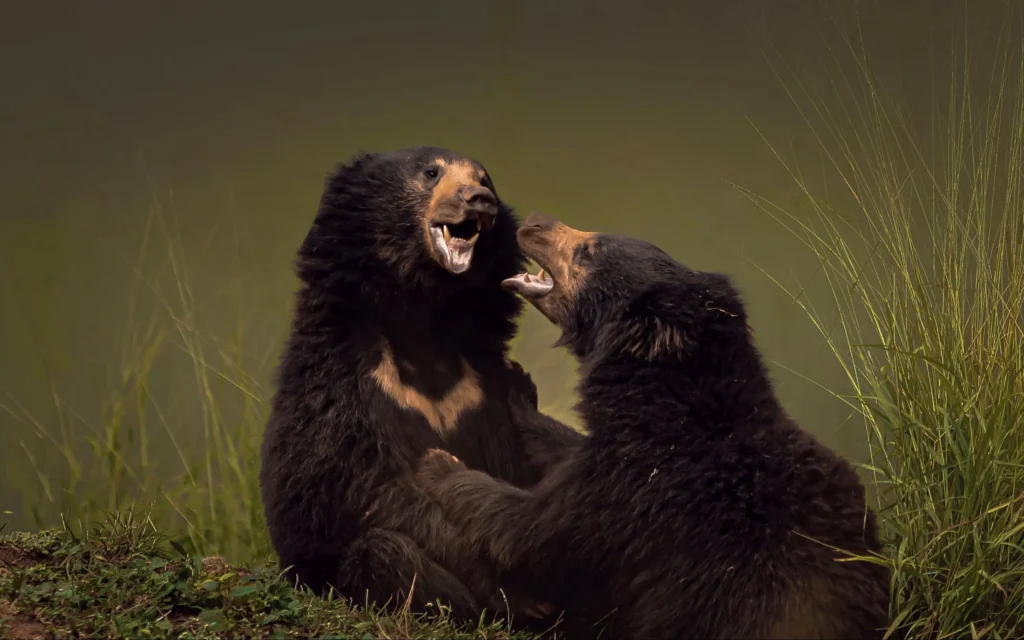
| Daroji Sloth Bear Sanctuary | Wildlife Sanctuary | Ballari | 82.72 | 1994 | Indian Sloth Bear, Rock Formations |
| Ranganathittu Bird Sanctuary | Wildlife Sanctuary | Mandya | 0.67 | 1940 | Mugger Crocodile, Painted Stork, Ramsar Site |
Wildlife Highlights
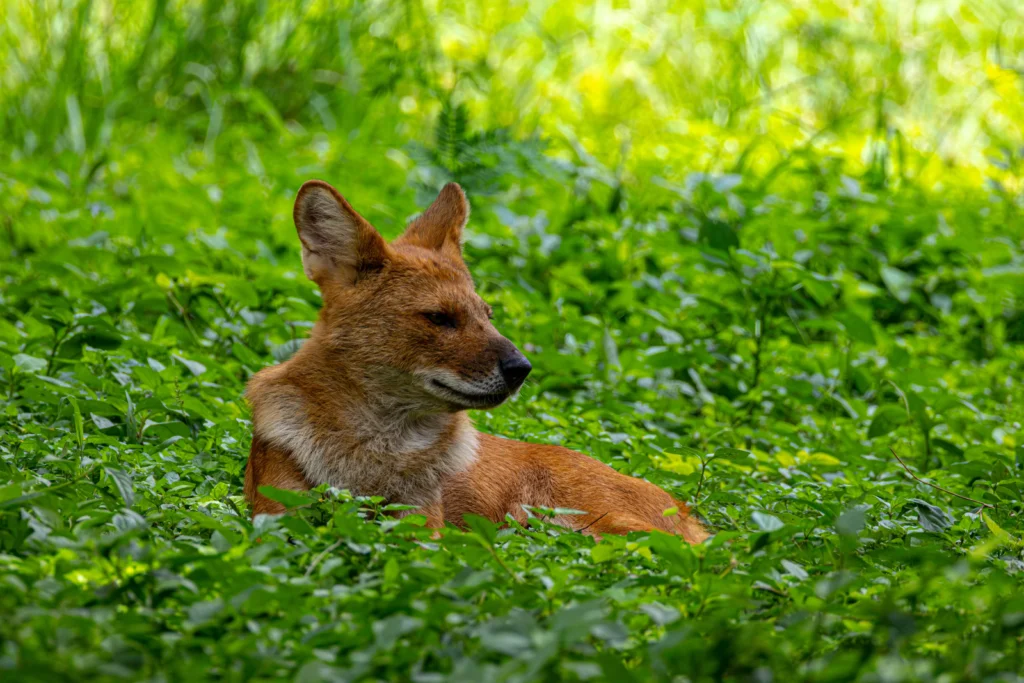
- Top Mammals: Asian Elephant, Bengal Tiger, Indian Leopard (including the melanistic ‘Black Panther’), Dhole (Indian Wild Dog), Sloth Bear, Gaur (Indian Bison), Lion-tailed Macaque, Malabar Giant Squirrel.
- Top Birds: Indian Roller, Great Hornbill, Malabar Trogon, Sri Lanka Frogmouth, Spot-billed Pelican, Painted Stork, Malabar Whistling Thrush.
- Reptiles & Amphibians: King Cobra, Malabar Pit Viper, Mugger Crocodile, Purple Frog, Bamboo Pit Viper.
- Flagship Flora: Sandalwood (Santalum album), Rosewood (Dalbergia latifolia), Teak (Tectona grandis), Shola grasslands, extensive Bamboo thickets.
- Best Wildlife Experiences: Boat safari on the Kabini River (Nagarhole), tracking tigers in Bandipur, spotting sloth bears amidst the boulders of Daroji, and birdwatching boat rides in Ranganathittu.
Conservation Challenges
- Human-Elephant Conflict (HEC): High densities of elephants in the fragmented landscapes of Kodagu, Hassan, and Mysuru lead to severe crop depredation, property damage, and frequent fatal encounters between humans and elephants.
- Invasive Species: The rampant proliferation of Lantana camara and Eupatorium weeds has aggressively overtaken the understory of Bandipur and Nagarhole, suppressing native fodder grass and exacerbating herbivore displacement.
- Linear Infrastructure: Expanding highways and railway networks passing through the Western Ghats and the Nilgiri Biosphere Reserve severely disrupt wildlife corridors, leading to significant roadkill incidents.
- Forest Fires: The dry deciduous tracts of Bandipur and BRT are highly susceptible to devastating summer forest fires, which are often anthropogenic and cause massive damage to ground-nesting birds and slow-moving reptiles.
- Agricultural Encroachment: The expansion of commercial coffee, tea, and areca nut plantations into the periphery of protected areas steadily erodes the buffer zones of the Western Ghats.
- Hydroelectric Projects: Proposed and existing dams on rivers originating in the Western Ghats alter the hydrology of downstream ecosystems, impacting riparian habitats and endemic aquatic species like the Mahseer.
Responsible Wildlife Tourism
- Embrace Eco-Lodges: Utilise government-operated eco-tourism facilities (like Jungle Lodges & Resorts) which strictly adhere to carrying capacities and funnel revenue back into state conservation.
- Safari Etiquette: Maintain absolute silence on jeep and boat safaris, especially in Nagarhole and Bandipur. Do not wear bright colours (reds, yellows, whites) that stand out in the forest.
- No Flash Photography: Disable camera flashes during safaris and avoid using cell phone lights when tracking nocturnal wildlife or observing reptiles.
- Respect Boat Safari Rules: On the Kabini river or at Ranganathittu, remain seated at all times to prevent capsizing and to avoid startling nesting birds and basking crocodiles.
- Plastic-Free Travel: The forest reserves of Karnataka enforce a strict ban on single-use plastics. Carry reusable water bottles and ensure zero littering.
- Do Not Disclose Exact Locations: Refrain from sharing exact GPS coordinates or live updates of rare sightings (like tigers or black panthers) on social media to prevent sudden crowding by other safari vehicles.
Did You Know?
- Karnataka is home to the highest number of Asian Elephants in India, with the population exceeding 6,000 individuals according to recent census data.
- The Kabini region of Nagarhole National Park is globally renowned as one of the most reliable places to spot the elusive Black Panther in the wild.
- Daroji Sloth Bear Sanctuary in Ballari was India’s first protected area dedicated specifically to the conservation of the Indian Sloth Bear.
- The Biligiri Ranganatha Temple (BRT) Tiger Reserve occupies a unique geographical position acting as a crucial ecological bridge between the Eastern and Western Ghats.
- The Cauvery Wildlife Sanctuary is famous for its conservation of the Hump-backed Mahseer, a critically endangered, mega-fish species highly sought after in catch-and-release angling.
- Ranganathittu Bird Sanctuary is uniquely situated on a series of small islands in the Kaveri River, formed inadvertently in the 17th century by the construction of an embankment.
Safari Planning : Topics Cluster
- How to book a wildlife safari in India?
- Park by Park Online Safari Booking Guide
- Tiger Safari India Planning Workbook
- Park by Park Safari Permits Guide
- National Parks Permit Guide – Park by Park Guide
- Tatkal Safari Booking Guide – Last Minute Safari Permits Booking
- Tiger Safari in India Cost
- Indian Wildlife Safari Budget Planner
- Jeep vs Canter Safari
- Best time for Tiger Sightings in India
- How far advanced should you book safari permits?
- Can foreigners book Indian Wildlife Safari online?
- Special Permits Guide for Foreigners and Domestic Visitors
- How to book a Safari Permit online in India? 2026 step by step guide
- Senior Citizens Friendly Safari Planning
- Multi Generation Family Safari Planning
- 50 things to know before your first safari in India
Tiger Safari in India : Topics Cluster
- Tiger Safari Planning Workbook
- Tiger Safari Booking Guide
- Best time for tiger sightings in India
- How to increase chances of tiger sighting?
- Tiger Safari Naturalist Guide
- Tiger Safari India Cost
- How to book a Tiger Safari in India?
- Best Wildlife Tour Operators in India
- Best Destination Cities for Tiger Safaris in India
- Tiger Safari under ₹25000
- Top 10 Budget Tiger Safaris 2026
- Tiger Photography Tips
- Best Tiger Reserves
- Top 10 Tiger Reserves by sighting chances
Luxury Safari in India : Topics Cluster